
Custom Silicone Night Lights | OEM & ODM Teddy Bear Lamp Supply & Manufacturing
A reliable pacifier program requires more than a soft material and appealing colors. Buyers need consistent product dimensions, repeatable molding quality, suitable designs for the intended age group, and packaging that fits their sales channels.
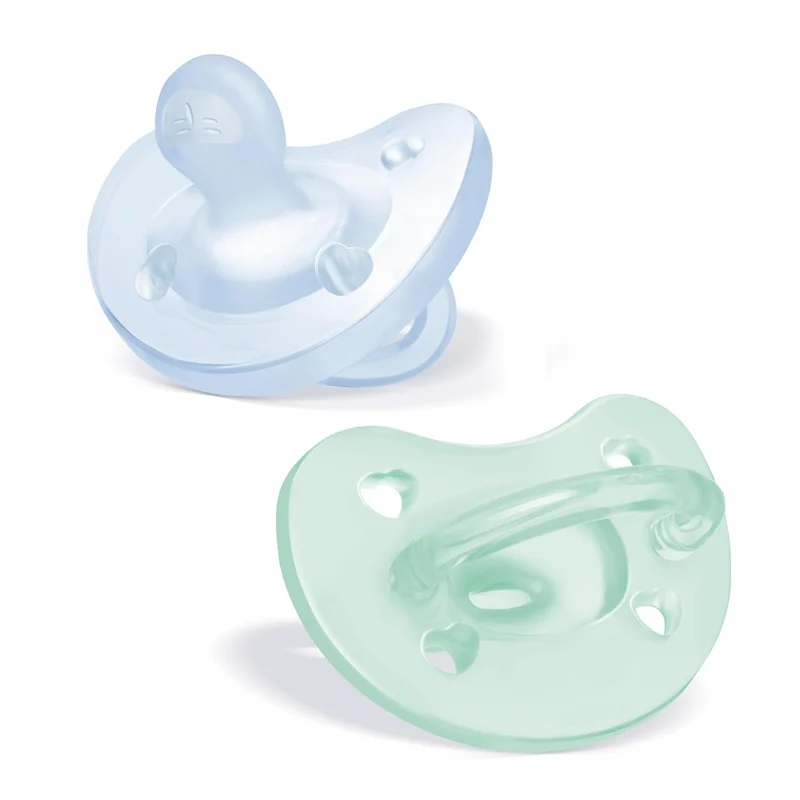
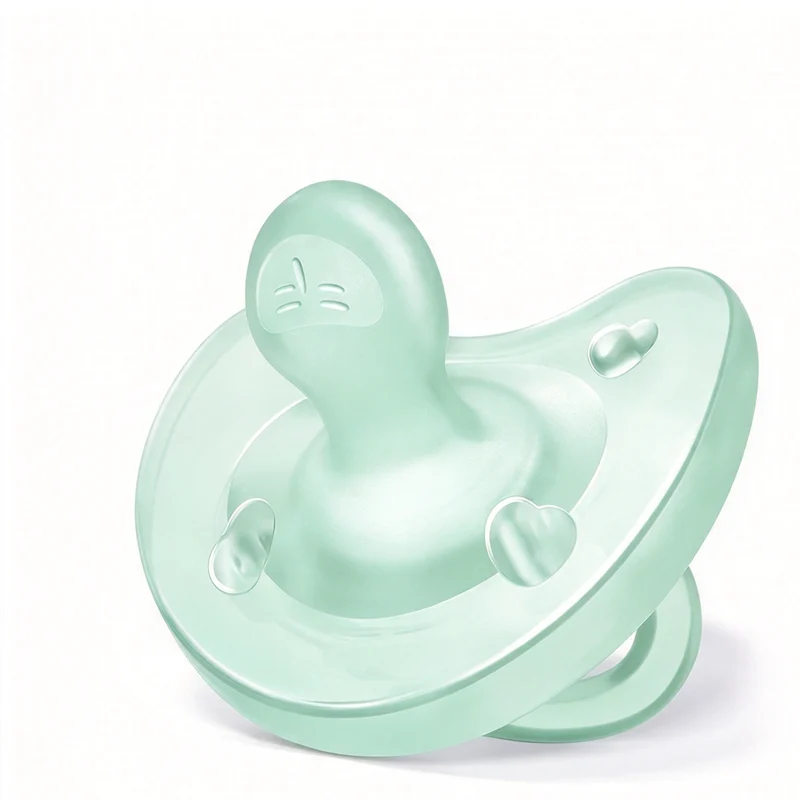
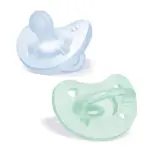
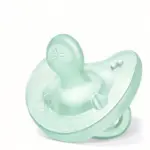
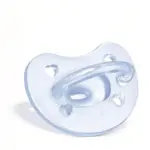
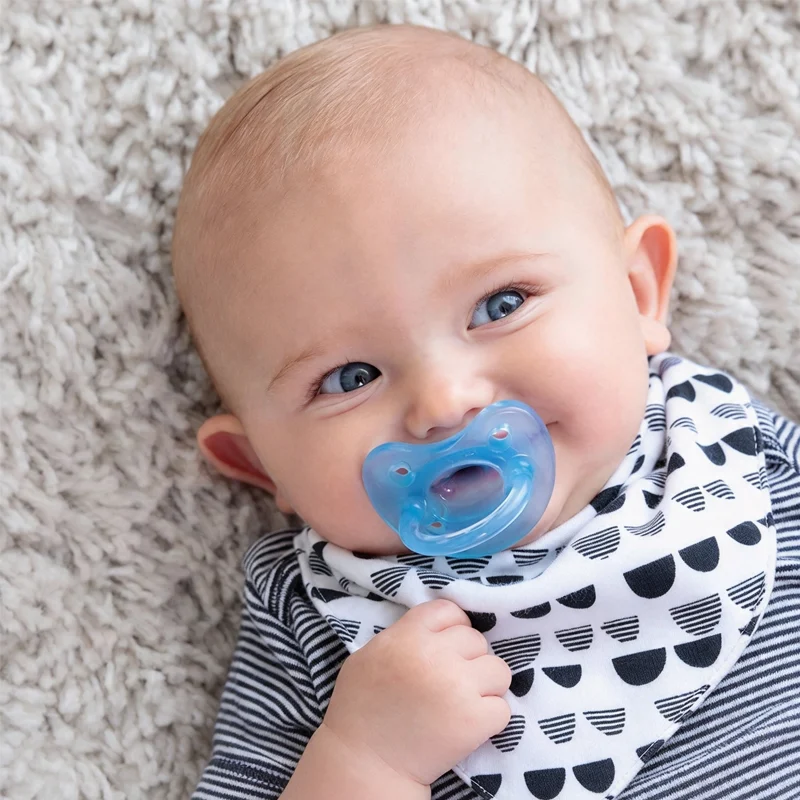
Our soft silicone pacifier is developed for B2B customers building newborn and infant care product lines. The design can be reviewed for material requirements, shape, color, branding, and packaging before production. We support OEM/ODM projects from design drawings and mold development to manufacturing coordination and order preparation.
For brands, wholesalers, and importers, this provides a practical starting point for developing customized silicone pacifiers without managing every manufacturing stage independently.
Material Selection and Construction of Soft Silicone Pacifiers
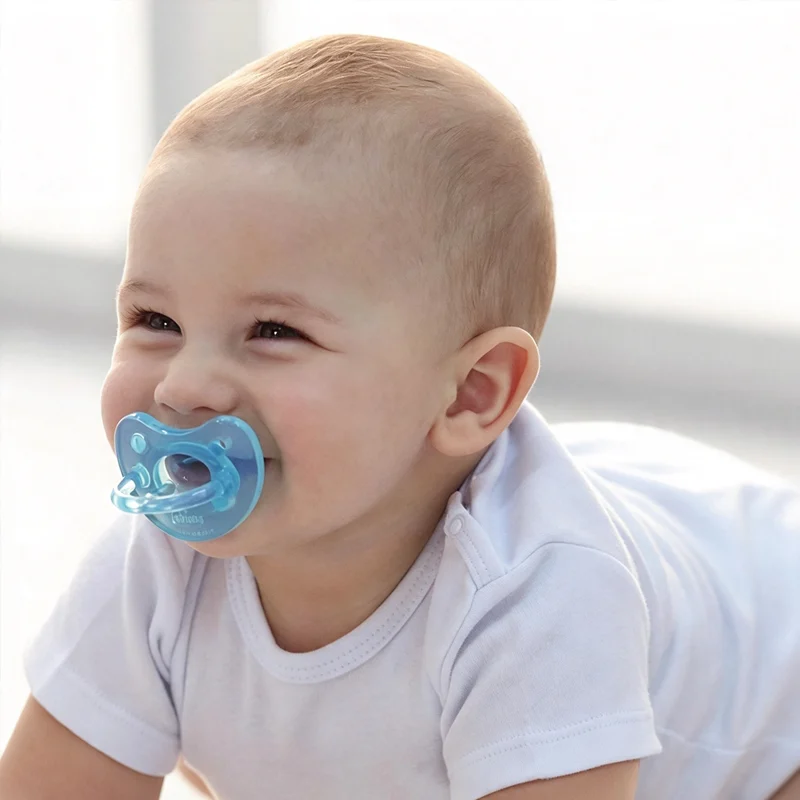
Material selection is a key consideration when sourcing silicone pacifiers for infant care product lines. Our specified 100% food-grade silicone construction provides a flexible material option for brands developing soft pacifiers for newborns and infants.
- Material specification: 100% food-grade silicone, subject to verification through applicable material documentation.
- Restricted-substance requirements: BPA-free, BPS-free, and latex-free specifications, supported by appropriate declarations or test reports where applicable.
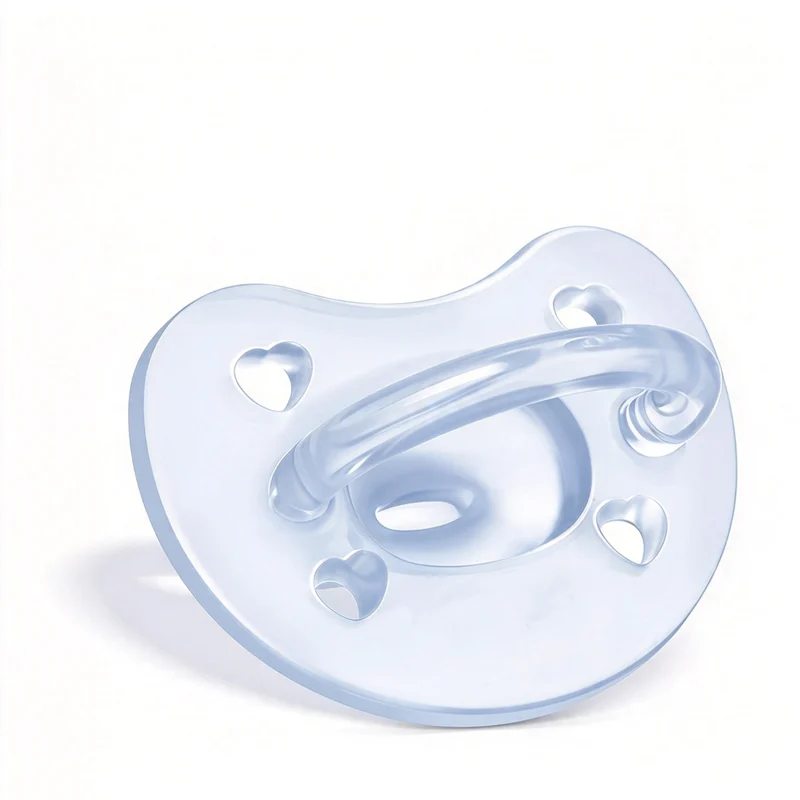
- Color development: Light blue, green, and custom colors for coordinated product collections.
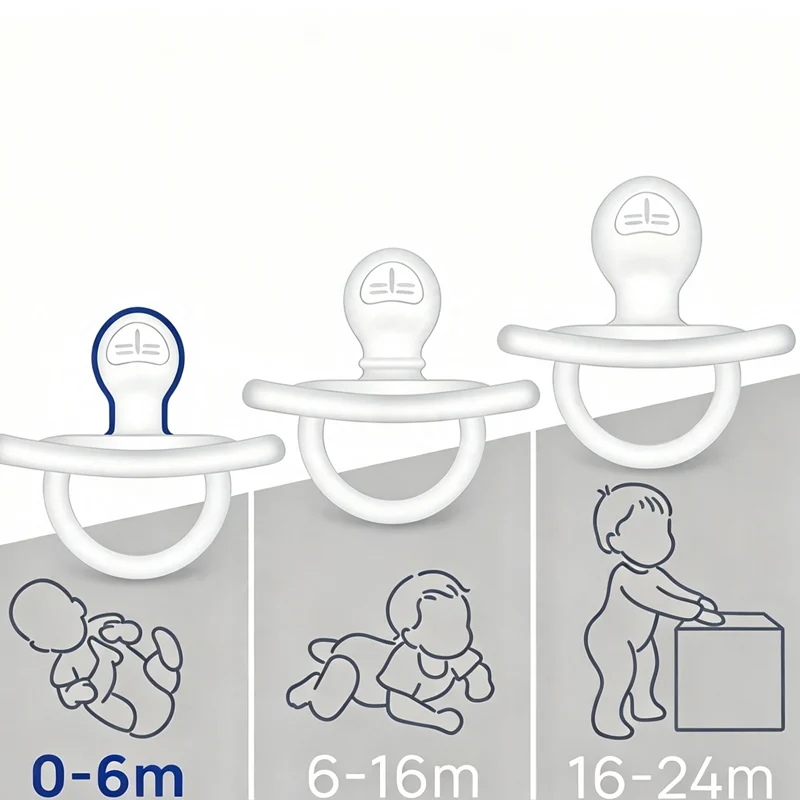
- Design compatibility: Shape, dimensions, and structural details can be reviewed against the intended age range and applicable product requirements.
- Brand consistency: Material and color specifications can be documented for repeat orders to help maintain batch-to-batch consistency.
Material suitability alone does not establish that a finished pacifier meets every infant-product safety requirement. Final product validation should cover the complete design, including the nipple, shield, ventilation features, and any additional components.
Custom Pacifier Development with 3D Drawings and Mold Engineering
For customers developing a new silicone pacifier or modifying an existing design, our OEM/ODM process can incorporate product engineering and custom tooling.
Design and development support includes:
- Review of customer-provided drawings, reference samples, or product concepts.
- 3D drawings and product renderings for design review.
- Custom mold development based on the approved design.
- Evaluation of dimensions, parting lines, surface finish, and molding feasibility.
- Review of logo placement and color requirements before production.
- Sample evaluation and design confirmation before mass production.
For new projects, buyers should confirm the tooling scope, mold ownership, sample approval procedure, and responsibility for design changes in the quotation or development agreement.
Custom mold development is particularly relevant to brands seeking a differentiated pacifier shape, a proprietary appearance, or a consistent design across a broader baby care collection.
Private Label Silicone Pacifiers with Custom Logo and Retail Packaging
Our private-label service supports customers who want to develop a branded silicone pacifier without relying solely on generic, unbranded stock products.
Logo and Appearance Options
Available logo methods include:
- Screen printing
- Pad printing
- Thermal transfer
- UV 3D color printing
The suitable method depends on the actual product structure, available printing surface, material compatibility, and required durability. Any branding method used on an infant product should be reviewed for applicable safety and durability requirements.
Packaging for Retail and Wholesale Programs
| Packaging Type | Potential Use |
|---|---|
| Blister Packaging | Retail display and product visibility |
| Clamshell Packaging | Packaged retail presentation |
| PDQ Packaging | Countertop or point-of-sale display programs |
| Color Box | Branded retail and gift presentation |
| Cardboard Box | Retail, distribution, or consolidated packing solutions |
Packaging artwork, barcode placement, product labels, user information, and language requirements can be coordinated according to the buyer’s market and distribution channel.
Silicone Pacifier Production Planning and Batch Consistency
For wholesale and private-label buyers, repeatability is as important as initial sample quality. Production planning should establish clear specifications before an order moves into manufacturing.
Our project coordination can cover the following checkpoints:
- Specification confirmation: Agree on material, color, dimensions, intended age group, logo, and packaging.
- Design and tooling review: Confirm drawings, mold requirements, and approval responsibilities.
- Sample evaluation: Review appearance, dimensions, construction, and branding before approving the production reference.
- Production requirements: Establish the approved specifications and inspection criteria for the order.
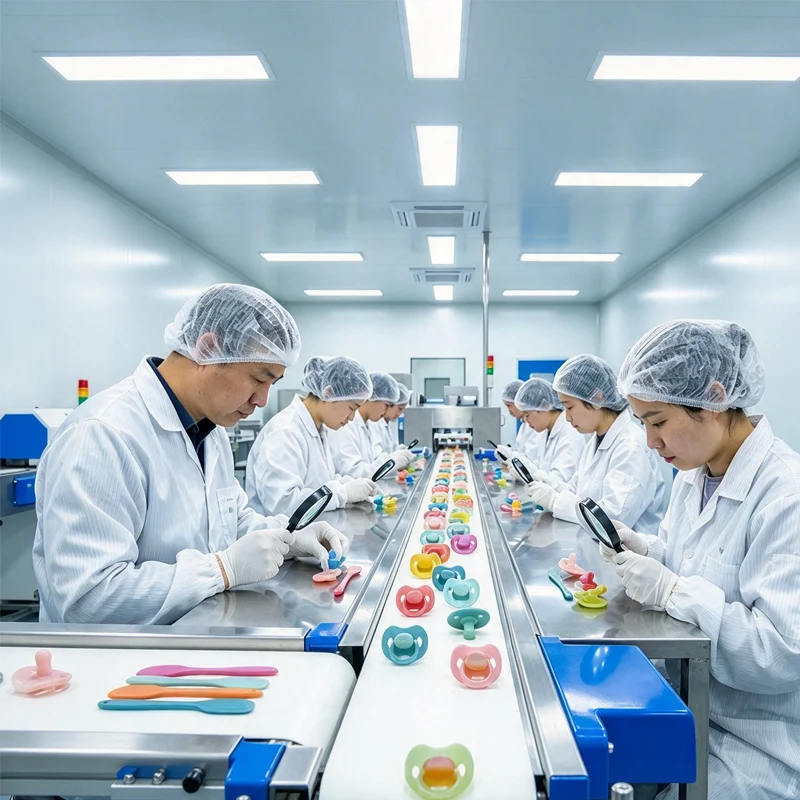
- Batch inspection planning: Define applicable appearance, dimensional, material-documentation, and finished-product checks.
- Packaging verification: Check approved artwork, labeling, quantities, and packing requirements before shipment.
Actual manufacturing methods, production capacity, inspection frequency, and lead times should be confirmed for the selected design and order quantity rather than assumed to be identical across all pacifier projects.
Quality Documentation for Newborn and Infant Pacifier Supply
When evaluating a silicone pacifier supplier, procurement teams should distinguish between material declarations, factory management certifications, social compliance assessments, and finished-product testing.
The following documentation may be relevant to a project, subject to the product, facility, and target market:
- ISO 9001: Quality management system documentation, where applicable to the manufacturing facility.
- BSCI / Sedex: Relevant social compliance assessment information, according to the facility’s current status and scope.
- LFGB: Applicable material or product testing documentation, where relevant to the intended use and market.
- CPC: Children’s Product Certificate requirements for applicable products sold in the United States; the responsible party must ensure the certificate is supported by required testing.
- CE / EN: Applicable conformity documentation and test reports, depending on the product classification and relevant European requirements.
For a pacifier RFQ, buyers should request the exact certificate or report, issuing body, covered product or material, test standard, date, and scope. The presence of a certificate name in a supplier profile does not by itself confirm that the specific pacifier complies with all applicable requirements.
Finished-product evaluation should consider relevant mechanical safety, dimensions, material suitability, labeling, and foreseeable-use risks under the applicable standards.
Wholesale Silicone Pacifier Programs for Baby Care Product Lines
Our OEM/ODM manufacturing service is intended for businesses developing or expanding infant care assortments, including:
- Baby care brands developing private-label pacifiers.
- Importers sourcing customized silicone baby products.
- Wholesalers and distributors supplying infant care retailers.
- E-commerce sellers developing differentiated baby product ranges.
- Retailers building coordinated newborn and infant care collections.
- Established brands seeking a custom mold or revised product design.
Whether the project involves adapting an existing design or developing a custom version, the quotation process should establish the required specifications, order quantity, tooling scope, compliance needs, packaging format, and delivery destination.
OEM Pacifier RFQ Checklist for Importers and Baby Product Brands
To help us assess a project accurately, buyers can include the following details in their inquiry:
- Product design: Existing model, reference sample, technical drawing, or new concept.
- Material requirements: Silicone specification and any additional documentation required.
- Age grading: Intended age group and applicable destination-market requirements.
- Customization: Color, logo method, surface details, and mold requirements.
- Packaging: Preferred format, artwork status, labeling, and barcode requirements.
- Order planning: Estimated quantity, sample requirements, target launch date, and shipping destination.
MOQ, sample charges, tooling costs, production lead time, and shipping terms should be quoted after the product scope and order requirements have been reviewed.
FAQs
1. What information is needed to quote a custom silicone pacifier project?
Please provide the intended age group, product drawings or reference samples, material requirements, estimated order quantity, color specifications, logo artwork, packaging format, and target market. For a new design, please also indicate whether you need custom tooling and prototype samples. These details allow the supplier to assess development costs, compliance needs, and production requirements before issuing a quotation.
2. Can the same pacifier design be supplied for newborns and older children?
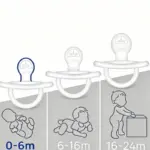
Not automatically. The supplied product information lists age ranges from 0–12 months through 2–4 years, but the appropriate age grading must be confirmed for each specific model. Nipple dimensions, shield geometry, overall construction, and applicable safety requirements may differ. Buyers should approve the age-specific design and supporting validation before placing a commercial order.
3. What documents should we request before importing silicone pacifiers?
Request applicable material specifications, relevant chemical test reports, finished-product safety reports, labeling information, and the documentation required in your destination market. For the United States, applicable children’s product requirements and CPC obligations must be assessed. For Europe, determine the applicable product classification and conformity requirements rather than assuming that a CE reference alone establishes compliance. Factory certificates should also be checked for validity and scope.
4. How can we maintain color and quality consistency across repeat orders?
Establish an approved reference sample, documented color requirements, material specifications, dimensional tolerances, and agreed inspection criteria. For colored silicone, buyers can also discuss acceptable color variation and the method used to assess it. Repeat orders should be checked against the approved specifications, with any material, tooling, or process changes reviewed before implementation.
5. Who owns the custom mold, and can we use our own product design?
Mold ownership, design rights, permitted use, storage, maintenance, and transfer arrangements should be explicitly agreed in the development contract or purchase agreement. If you provide an existing design, clarify the rights to use it for manufacturing. If the supplier develops a new mold, confirm the ownership terms and any restrictions before paying tooling charges.
6. What are the MOQ, sample lead time, and mass-production lead time?
These depend on whether the project uses an existing design or requires a new mold, the complexity of customization, material and color requirements, testing needs, packaging, and order quantity. Please request a project-specific quotation covering sample costs, tooling charges, MOQ, production lead time after sample approval, payment terms, and shipping arrangements. These details should be confirmed in writing before the order is placed.


Reviews
There are no reviews yet.