
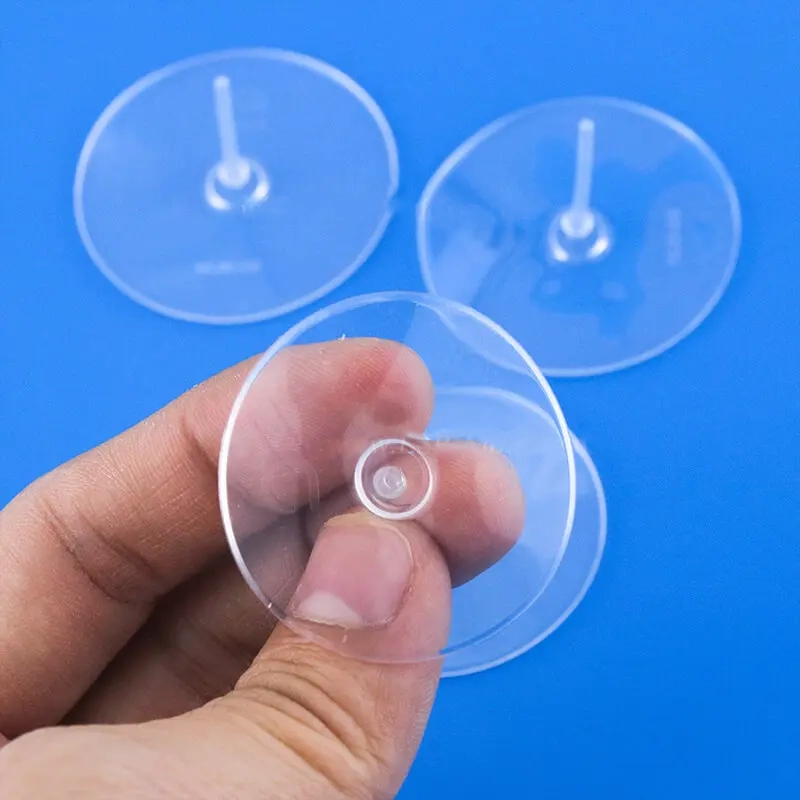
If you’re specifying a compact, low-pressure, reliable one-way valve for an OEM product, this practical guide will save you time. At Colosilicone we design and manufacture silicone umbrella check valves and umbrella-style elastomeric valves every day; below you’ll find the engineering essentials, manufacturing realities, and supplier criteria you need to choose, qualify, and integrate the right part.
Understanding Check Valve Issues
Traditional mechanical check valves (poppet, ball, spring-loaded) solve many high-pressure problems but bring drawbacks in miniaturized systems: higher cracking pressure, noise, chatter, more parts to assemble, and reduced reliability in low-flow or pulsatile applications. For battery-powered pumps, respiratory circuits, micro-pumps, and compact dispensers, those issues translate to poor user experience or failure in the field.
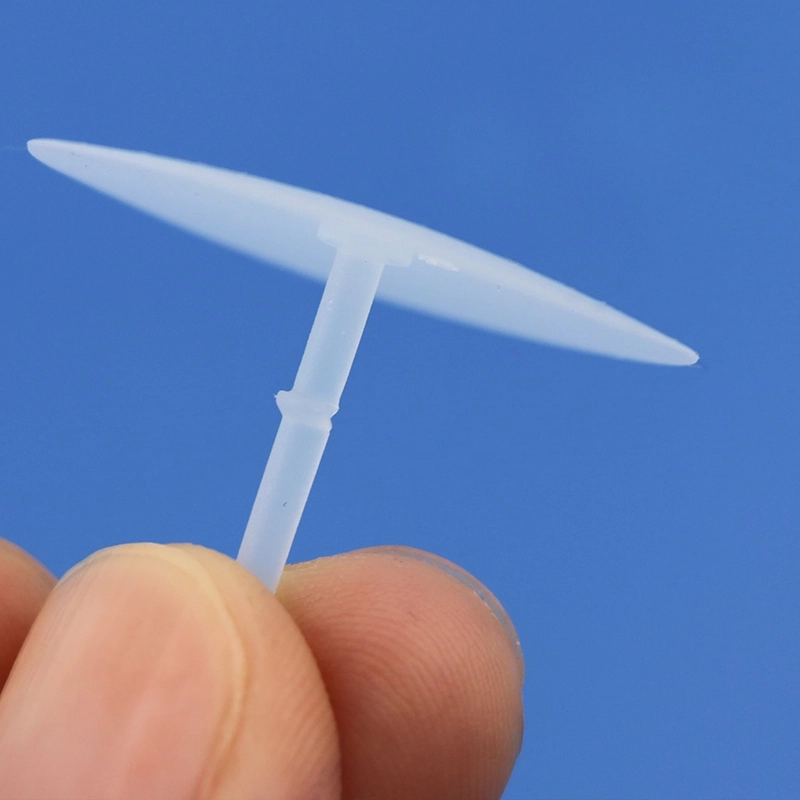
Introducing the Umbrella Check Valve
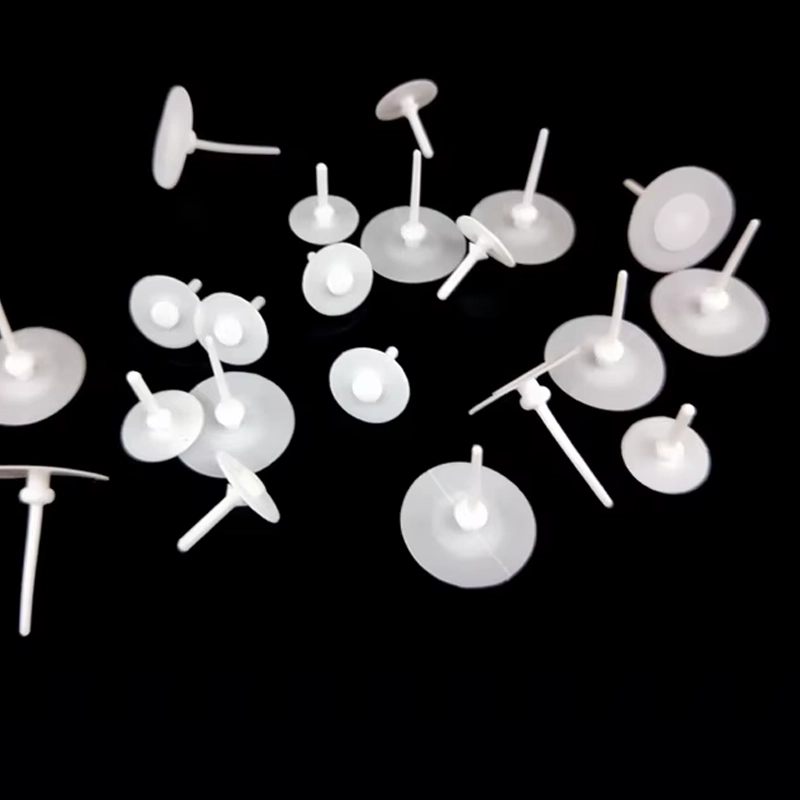
The umbrella check valve (also called a silicone umbrella valve, mushroom valve, or elastomeric umbrella valve) is a one-piece, normally-closed valve whose flexible skirt lifts to allow forward flow and reseats to prevent backflow. Because the elastomer itself provides the sealing surface and restoring force, umbrella valves operate quietly at very low cracking pressures (often <2 psi), are easy to overmold into housings, and eliminate springs and metal components.
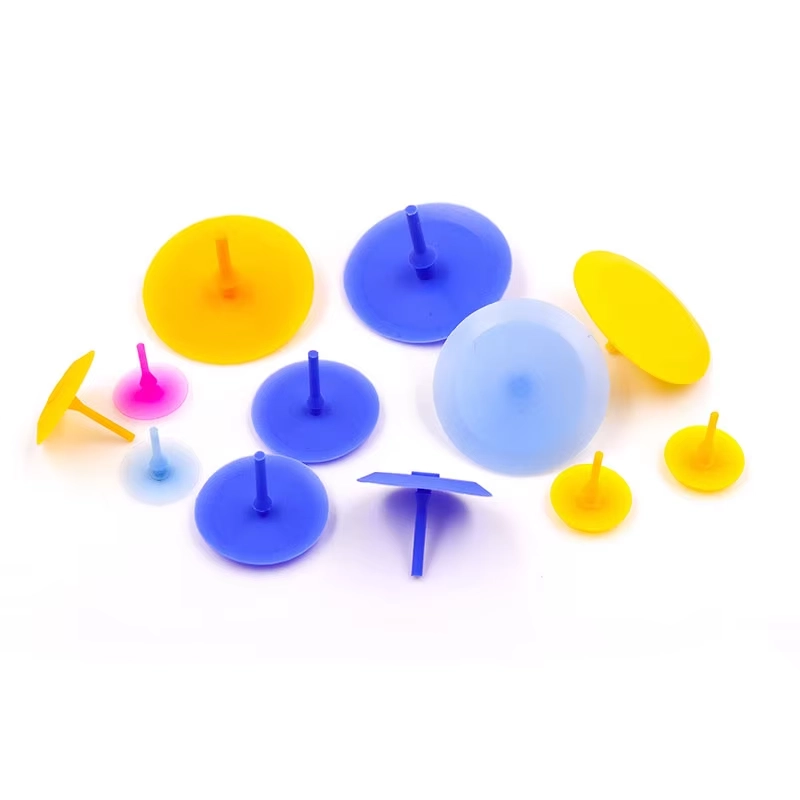
Distinct Advantages
- Ultra-low cracking pressure & fast response — ideal for microfluidics and breathing circuits.
- Silent, maintenance-free operation — no metal parts to corrode or springs to fatigue.
- Compact, lightweight form factor — integrates into tight assemblies or disposable cartridges.
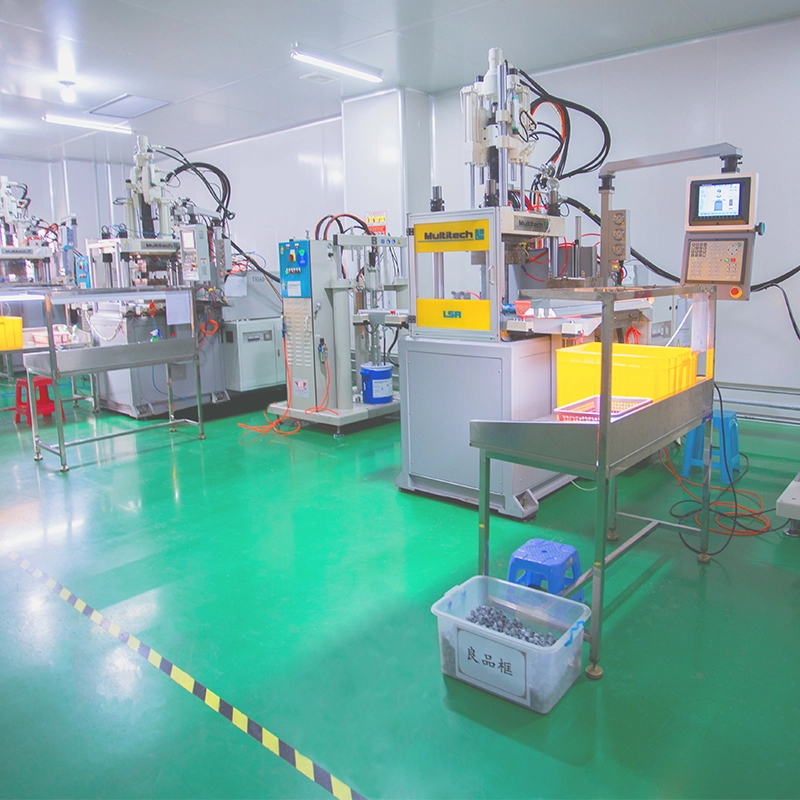
- Cost-effective at scale — multi-cavity tooling and liquid silicone rubber injection molding (LSR) lower per-piece cost for high volumes.
- Design flexibility — slit geometry, skirt thickness, and durometer tune flow curve and reseat behavior.
Applications in Engineering
- Medical & Life Sciences: patient valves, ventilator exhalation/inhalation ports, disposable anesthesia circuits and single-use cartridges where biocompatibility, low dead volume, and sterilization tolerance matter.
- Automotive & Fuel Systems: vent valves and small pump check valves when fuel-resistant grades (FVMQ/FKM) are required.
- Consumer & Appliances: pressure release and dispensing valves in beverage and food dispensers (think custom silicone ketchup valves) and small domestic pumps.
- Industrial & Instrumentation: micro pumps, pneumatic manifolds, and small compressors needing quiet, repeatable one-way flow.
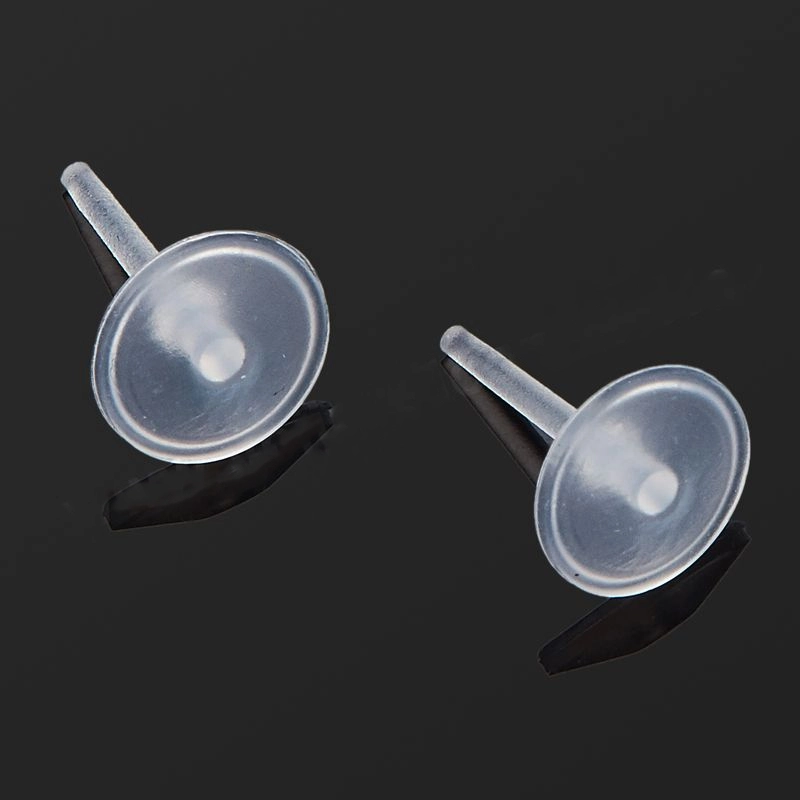
The “PPS” Variation
A common industrial variant couples a rigid polypropylene (PP) or polypropylene system (PPS) body with a silicone umbrella seat — essentially a rigid plastic housing mated to a silicone umbrella check element. This hybrid (rigid substrate + elastomeric seat) combines structural strength and chemical compatibility with the soft-seal benefits of silicone. It’s widely used where a molded housing is needed (vent ports, cartridge assemblies) but the sealing behavior must remain elastomeric and low-pressure.
Manufacturing & Design Tips
- Use LSR injection molding for medical-grade, high-repeatability parts; compression molding may suit low volumes.
- Control skirt wall thickness and durometer to meet your cracking pressure target; request a crack-pressure histogram, not a single value.
- Specify post-cure, extraction, and biocompatibility certificates (USP Class VI / FDA 21 CFR) if parts contact patients or consumables.
- Prefer overmolding/insert molding to eliminate assembly seams and leak paths.
- Validate with dynamic leak tests, cycle life (millions of cycles if needed), and chemical exposure tests for the intended media.
Choosing Suppliers and Qualification Checklist
When evaluating suppliers, verify:
- Experience with liquid silicone rubber injection molding and multi-cavity tooling.
- Cleanroom capability, material CoAs, and biocompatibility testing reports.
- Ability to supply sample lots, crack-pressure distributions, and lifetime test data.
- Design support (DFM), rapid prototyping, and scale-up plans.
- Traceability, inspection reports, and ISO or medical quality certifications.
Conclusion
Silicone umbrella check valves deliver an elegant, manufacturable solution for OEMs that need silent, low-pressure, compact one-way components. Whether you need a fully elastomeric umbrella check valve, a hybrid PP+silicone PPS assembly, or a custom overmolded one-way silicone valve, understanding material, geometry, and manufacturing constraints upfront reduces time-to-market and field risk.
At Colosilicone we offer design consultation, prototyping, LSR tooling, and production runs — plus the documentation and testing engineers expect. Want us to evaluate your valve spec or run a sample validation? Reach out and let’s design a manufacturable umbrella check valve that meets your performance and supplier requirements.