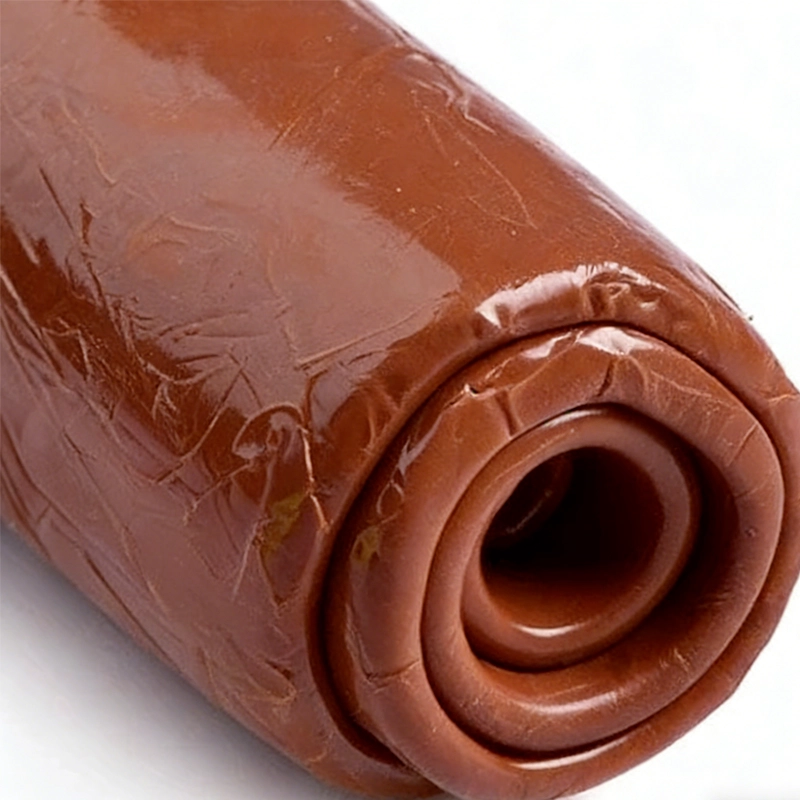
Rubber: it’s the unsung hero of the modern world, present in everything from tires to seals, from gaskets to the soles of your sneakers. But let’s face it, rubber can sometimes be, well, a little… slippery when it comes to surface properties. That’s where fluorination steps in, making rubber more durable, more resilient, and more versatile. If you’re looking to enhance rubber performance, fluorination is the game changer you didn’t know you needed.
The Science Behind Fluorination
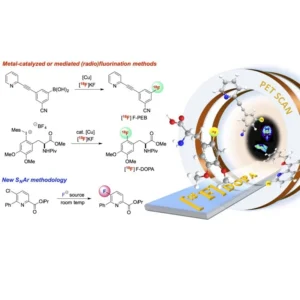
Fluorination is a chemical process where fluorine atoms are introduced to the surface of a material, altering its chemical and physical properties. In the case of rubber, this process is often carried out through either gas-phase fluorination or liquid-phase fluorination. Essentially, what happens is that the fluorine molecules react with the rubber’s surface, replacing some of the hydrogen atoms with fluorine atoms. This simple switch can have profound effects on the rubber’s surface properties.
The beauty of fluorination lies in its ability to alter the surface chemistry without affecting the bulk properties of the rubber. The outermost layer of the rubber becomes highly resistant to chemicals, heat, and even UV radiation. This is crucial in industries where rubber needs to withstand extreme conditions, like in automotive, aerospace, and industrial applications.
Why Is Fluorination Important for Rubber?
You may be wondering, why go through the trouble of fluorinating rubber in the first place? Well, the answer lies in the need for enhanced durability and performance. Without fluorination, rubber can degrade quickly when exposed to oils, solvents, and other harsh chemicals. Over time, this degradation can cause rubber components to lose their flexibility, strength, and sealing capabilities. Fluorination makes rubber significantly more resistant to these substances, extending the lifespan of rubber components and reducing the need for frequent replacements.
But the benefits don’t stop there. Fluorinated rubber also has excellent thermal stability. It can perform well in a wider temperature range compared to untreated rubber, which makes it an ideal choice for high-performance applications in industries like automotive manufacturing, where parts need to function reliably under the hood in extreme heat.
Surface Properties Transformed: What Fluorination Does to Rubber
1. Increased Chemical Resistance
One of the most notable effects of fluorination is the increase in chemical resistance. By replacing the hydrogen atoms with fluorine atoms, fluorination creates a more stable, non-reactive surface. This surface is much less likely to break down when exposed to oils, fuels, solvents, acids, and bases.
2. Enhanced Temperature Stability
Fluorinated rubber exhibits remarkable temperature stability, withstanding both extremely high and low temperatures without degrading. This is vital in industries like aerospace, where rubber seals and gaskets must perform flawlessly in temperature extremes, from the blistering heat of re-entry to the frigid cold of high altitudes.
3. Improved Wear Resistance
Fluorinated rubber also benefits from improved wear resistance. The fluorine atoms make the surface more hydrophobic (water-repelling), reducing the rubber’s tendency to swell or degrade when exposed to moisture. This is particularly beneficial in marine environments or in seals exposed to harsh weather conditions. Fluorination can also improve the rubber’s resistance to abrasion, extending the life of components like gaskets and seals.
4. Better UV and Ozone Resistance
UV radiation and ozone can quickly break down unprotected rubber, causing it to crack, become brittle, and lose its elasticity. Fluorinated rubber resists this kind of degradation far better than its non-fluorinated counterpart. This makes it an excellent choice for outdoor applications, like rubber seals on windows or components exposed to sunlight.
5. Lower Friction Coefficient
Another major benefit of fluorination is the reduction of the friction coefficient. Fluorinated rubber tends to have a smoother, more slippery surface, which can be an advantage in applications where reduced friction is needed. Think of seals in pumps or parts that need to slide against each other with minimal resistance. Fluorinated rubber performs like a champ in these situations, reducing wear and tear over time.
Applications of Fluorinated Rubber
Fluorinated rubber is used across various industries, offering enhanced performance and durability. Key applications include:
-
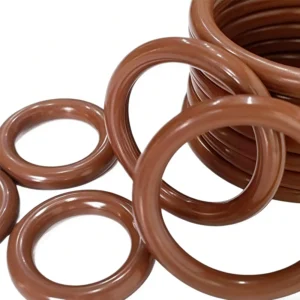
Automotive: Seals, gaskets, fuel hoses, and O-rings. Its resistance to heat, oils, and UV rays makes it vital for automotive components.
- Industrial: Used in machinery seals and gaskets exposed to aggressive chemicals and harsh weather conditions.
-
Silicone Pet Care: Used in pet accessories like collars and leashes, fluorinated rubber resists wear and environmental factors, ensuring long-lasting products.
-
Medical Devices: Ideal for gaskets, seals, and tubing in sterilized or chemically harsh environments, providing excellent chemical resistance.
-
Silicone Bath Essentials: Found in shower curtains, bath mats, and other products, fluorinated rubber resists mold, mildew, and wear from constant moisture exposure.
Fluorinated rubber is also crucial in electronics, chemical tank seals, and industrial machinery, offering reliability in tough conditions.
The Role of Colosilicone in Fluorinated Rubber Manufacturing
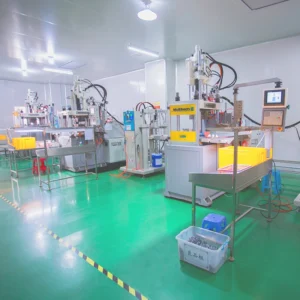
At Colosilicone, we specialize in the production of high-quality fluorinated rubber compounds, offering enhanced surface properties and superior durability. Our state-of-the-art fluorination processes ensure that each batch of rubber we produce is perfectly tailored to meet the specific demands of your industry. Whether you’re working in automotive, aerospace, oil and gas, or any other field, our products are designed to keep your equipment running smoothly for longer.
Our commitment to innovation and quality has made us a trusted partner for companies looking to enhance the performance of their rubber components. If you’re looking to take your rubber products to the next level, Colosilicone has the expertise and technology to make that happen.
Fluorination – A Small Change, Big Impact
Fluorination might sound like a small tweak, but the effect it has on rubber’s surface properties is anything but minor. Whether it’s improved chemical resistance, enhanced wear properties, or better UV stability, fluorinated rubber offers a significant upgrade over untreated versions. By understanding and leveraging the power of fluorination, industries can unlock new possibilities in performance, longevity, and safety.
If you’re in need of high-performance fluorinated rubber compounds, Colosilicone is here to help. Our dedication to quality and precision ensures that you get the best product possible for your application. Ready to upgrade your rubber? We’re just a call away!