
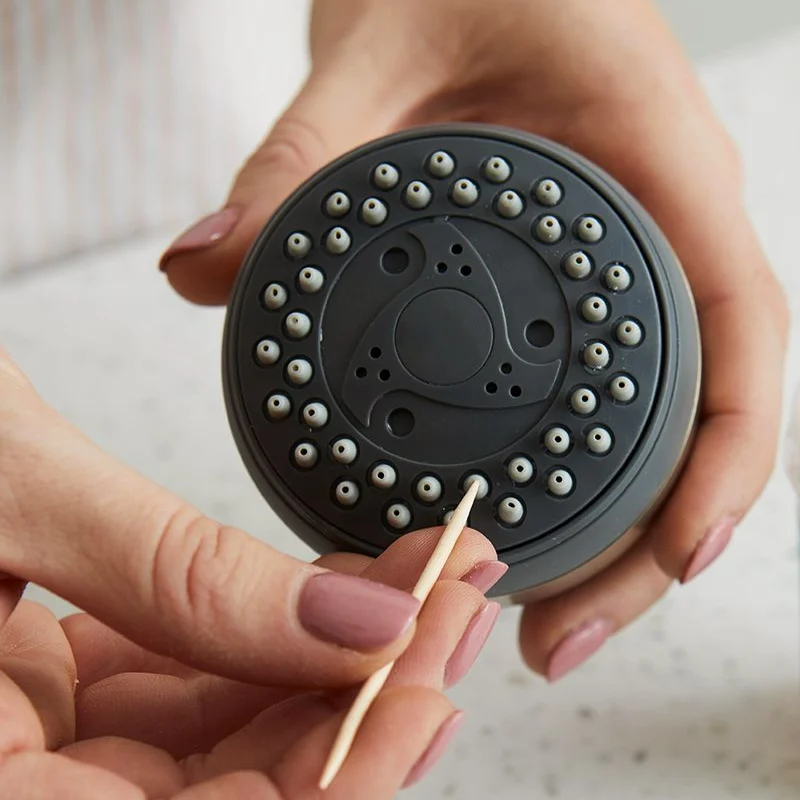
Hard water deposits, mineral buildup, and soap residue are some of the biggest causes of reduced shower performance in modern bathrooms. For manufacturers, distributors, and OEM bathroom brands, maintaining high-quality shower nozzles is critical for long-term product reliability and customer satisfaction.
Silicone shower nozzles are widely used in today’s shower systems because they offer better anti-clogging performance, flexibility, and durability compared to traditional plastic outlets. Proper cleaning and maintenance not only improve water flow but also extend the service life of shower components such as shower gasket systems, rubber shower gasket parts, and rubber shower nozzle assemblies.
For B2B buyers sourcing bathroom accessories and silicone components, understanding how silicone nozzles perform under real-world conditions is an important part of product selection and after-sales support.
Why Do Shower Heads Become Clogged?
Shower heads become clogged primarily due to:
- Hard water mineral deposits
- Calcium and lime scale buildup
- Soap residue accumulation
- Rust particles from plumbing systems
- Poor water filtration
Over time, these contaminants block water outlets and reduce spray consistency. Even premium shower nozzles require periodic cleaning to maintain optimal flow performance.
Importance Of Clean Shower Heads
Health Benefits
A poorly maintained shower head can harbor bacteria, mold, and biofilm buildup. Routine cleaning improves hygiene and supports healthier water delivery.
For hospitality projects, residential developments, and commercial bathroom systems, regular maintenance is essential for end-user safety.
Enhanced Water Flow
Clean silicone nozzles maintain:
- Stable spray pressure
- Even water distribution
- Better user comfort
- Reduced water waste
This is especially important in high-efficiency shower systems designed for water conservation standards.、
Common Issues With Shower Head Nozzles
Clogging Problems
Small spray outlets are vulnerable to mineral accumulation, especially in regions with hard water.
Mineral Buildup
Calcium and magnesium deposits can harden around rubber shower nozzle surfaces, restricting water flow and damaging sealing performance.
High-quality silicone materials resist buildup better than rigid plastic nozzles because their flexible surfaces allow easier cleaning.
Essential Cleaning Tools
Required Equipment
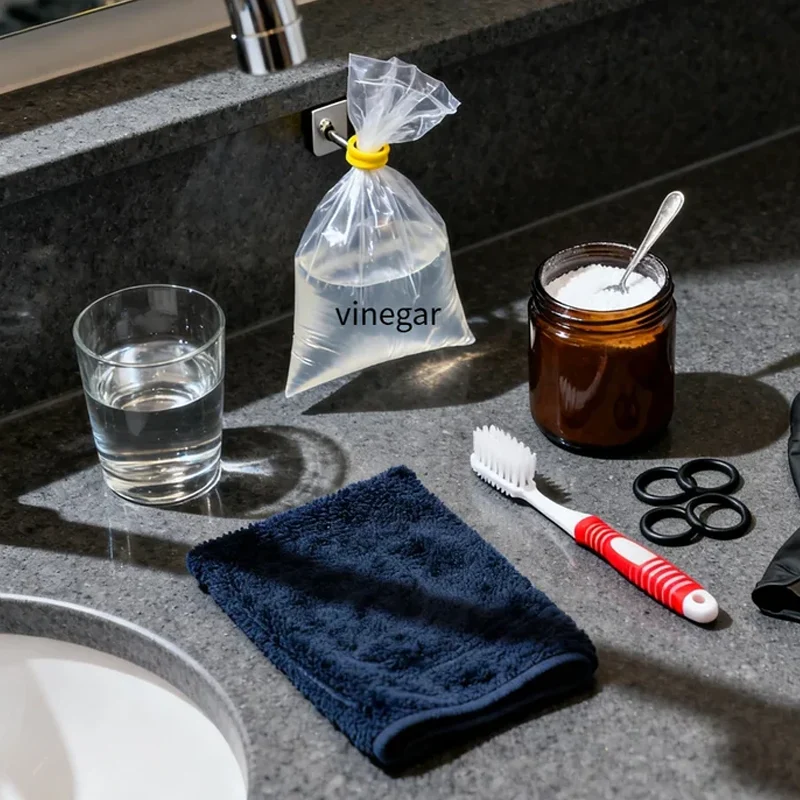
- White vinegar
- Soft brush or toothbrush
- Warm water
- Microfiber cloth
- Bowl or plastic bag
Optional Add-ons
- Baking soda
- Rubber gloves
- Needle for precision cleaning
- Mild dish soap
Preparing For Cleaning
Safety Precautions
Before cleaning:
- Turn off water supply if removing the shower head
- Allow hot surfaces to cool
- Avoid aggressive chemical cleaners that may damage silicone materials
Initial Steps
Inspect the shower head for:
- Heavy mineral scaling
- Cracked shower gasket components
- Damaged rubber shower gasket seals
- Uneven spray patterns
Cleaning With Vinegar
Soaking Process
White vinegar is one of the most effective and safe cleaning solutions for silicone shower nozzles.
Steps:
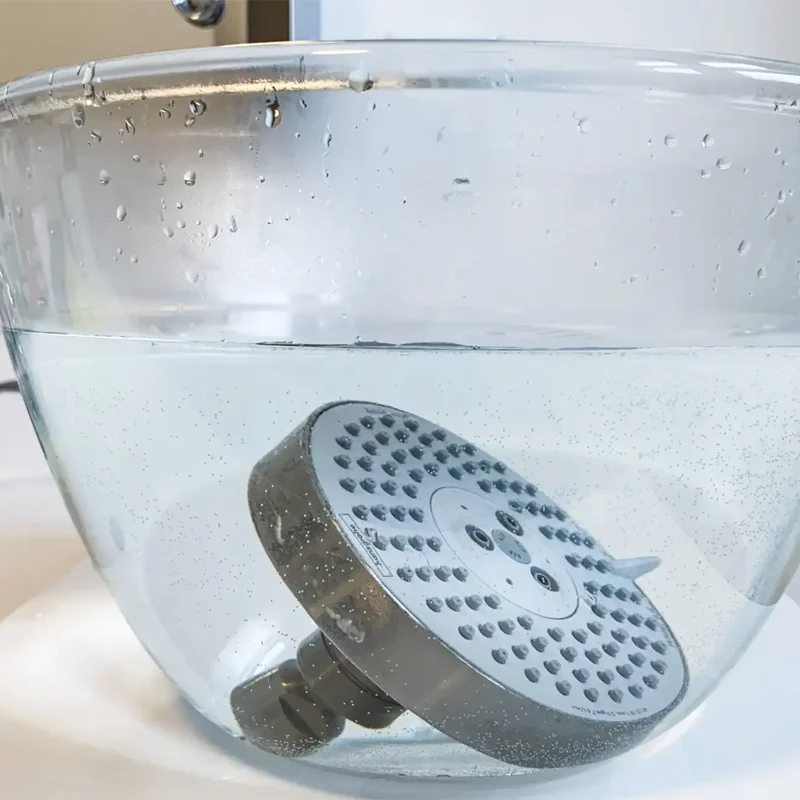
- Fill a container or bag with vinegar
- Submerge the shower head completely
- Soak for 4–8 hours depending on buildup severity
- Rinse thoroughly with warm water
The acidic properties dissolve mineral deposits without damaging silicone surfaces.
Scrubbing Techniques
After soaking:
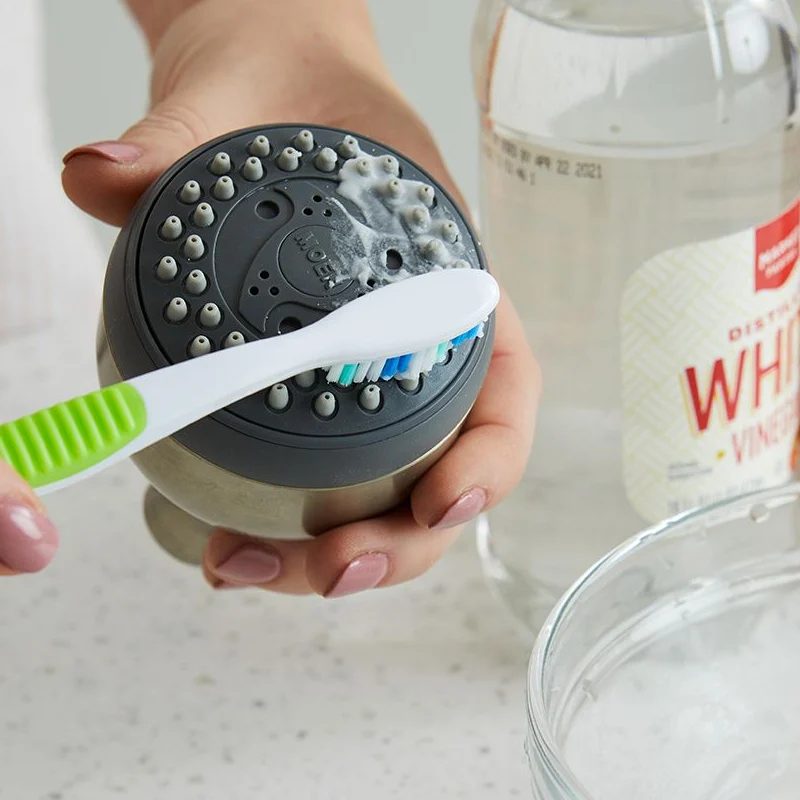
- Use a soft brush to remove loosened debris
- Gently massage silicone nozzles by hand
- Avoid metal brushes that may scratch surfaces
Flexible silicone outlets are designed to release buildup more easily than hard plastic spray outlets.
Using Baking Soda For Stubborn Stains
Mixing The Solution
Mix:
- 2 tablespoons baking soda
- Small amount of water to form paste
Application Methods
Apply paste directly to stubborn mineral deposits and allow it to sit for 15–20 minutes before scrubbing.
This method is particularly effective for heavily scaled shower nozzles in commercial or hard-water regions.
Rinsing And Reassembling
Proper Rinsing
After cleaning:
- Flush clean water through the shower head
- Ensure all vinegar residue is removed
- Check spray consistency
Reattachment Tips
When reinstalling:
- Inspect sealing surfaces
- Confirm proper shower gasket alignment
- Avoid overtightening to protect rubber shower gasket integrity
Maintenance Tips
Regular Cleaning Schedule
For best performance:
- Light cleaning every 2–4 weeks
- Deep descaling every 2–3 months
Commercial hospitality projects may require more frequent maintenance.
Preventive Measures
To reduce buildup:
- Install water softeners or filters
- Use anti-clog silicone nozzles
- Select high-quality silicone compression molded components
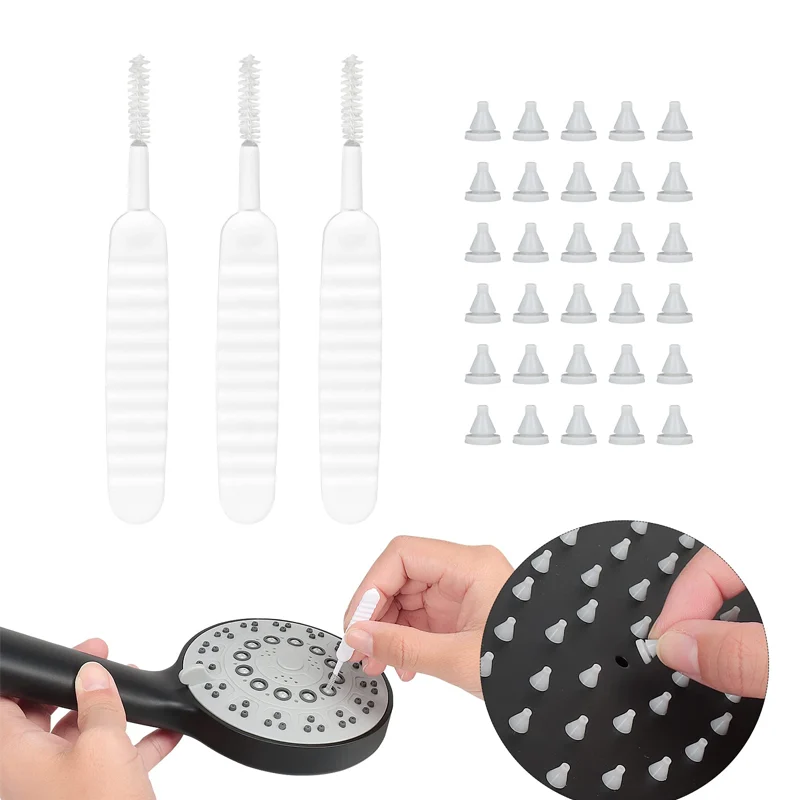
Why Choose Colosilicone To Custom Your Shower Nozzles
Bathroom product performance starts with material engineering and precision manufacturing. Colosilicone specializes in custom silicone and rubber components for global bathroom brands, OEM suppliers, and sanitary hardware manufacturers.
For brands seeking a durable and customizable solution, we recommend our:
Silicone Compression Molding Silicone Shower Nozzle Gaskets
This product is engineered using high-performance silicone compression molding technology, offering:
- Excellent anti-clogging flexibility
- Superior sealing performance
- Long-term resistance to hard water buildup
- Stable elasticity under high-temperature conditions
- Precision dimensional consistency for OEM shower systems
From a B2B manufacturing perspective, Colosilicone provides:
- OEM/ODM custom development
- Advanced silicone compression molding production
- Strict QC inspection systems
- Competitive pricing for large-volume production
- Fast tooling and sampling support
- Stable material sourcing for long-term supply chains
Our factory supports customized shower gasket, rubber shower gasket, and rubber shower nozzle production for residential, hospitality, and commercial bathroom applications worldwide.

Conclusion
Cleaning silicone shower nozzles regularly is essential for maintaining water flow, hygiene, and long-term shower performance. Compared with traditional rigid plastic outlets, silicone nozzles offer easier maintenance, better anti-clogging capability, and longer service life.
For brands and sourcing managers, selecting high-quality silicone components is equally important as routine maintenance. Reliable materials and precision manufacturing directly impact end-user satisfaction and product durability.
FAQs
Does Vinegar Really Clean A Shower Head?
Yes. Vinegar effectively dissolves calcium and mineral deposits without damaging silicone surfaces.
What Is The Black Stuff Coming Out Of My Shower Head?
It is usually mineral residue, mold, rust particles, or pipe sediment buildup.
How Do I Remove Buildup From My Shower Head?
Soaking in vinegar followed by soft brushing is the most effective cleaning method.
How Do You Clean A Shower Head Flow Restrictor?
Remove the restrictor carefully and rinse debris using warm water and vinegar.
How Often Should Silicone Shower Nozzles Be Cleaned?
Light cleaning every few weeks and deep cleaning every few months is recommended.