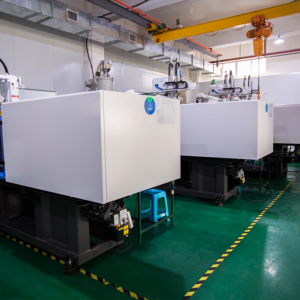
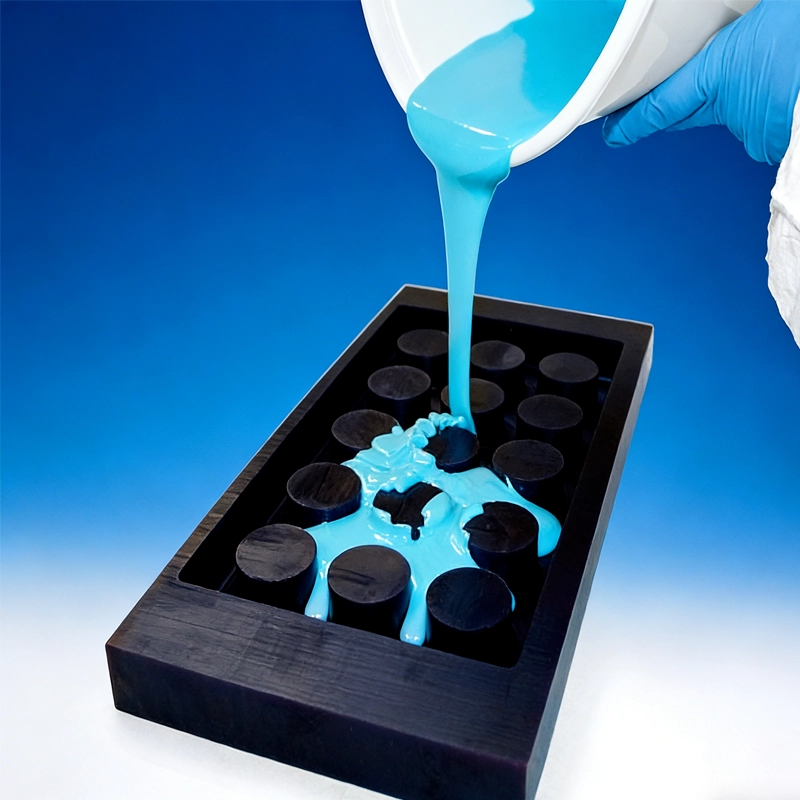
Rubber shrinkage can be a common concern for manufacturers, especially when precision is required for products like silicone molds, kitchen utensils, medical devices, or industrial parts. Understanding the causes of shrinkage during production is essential for maintaining quality and ensuring that products meet client specifications. In this blog, we’ll explore the key factors that lead to rubber shrinkage and how businesses can manage it effectively.
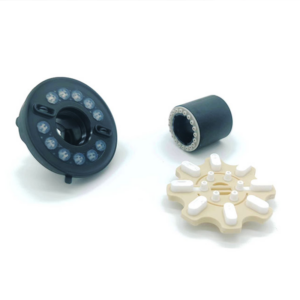
How Can Rubber Shrink?
Rubber shrinkage is influenced by several technical factors during the curing and molding processes. Let’s break down these elements to understand why shrinkage occurs and how it can be managed.
Expansion During Cure
Rubber undergoes expansion when heated during the curing process. However, once the rubber cools, it contracts. This natural cycle of expansion and contraction can lead to shrinkage in the final product, especially with materials like silicone rubber. Manufacturers need to account for this during the design and molding stages to ensure dimensional accuracy.
Filler Characteristics
Fillers are often added to rubber to improve certain properties, such as strength or cost-effectiveness. However, the type and quantity of fillers used can affect shrinkage rates. Some fillers, like silica, can absorb moisture during the curing process, contributing to higher shrinkage. It’s crucial for manufacturers to select the right fillers that won’t compromise the product’s final dimensions.
Crosslinking Behaviour
The crosslinking process, where rubber molecules bond during curing, impacts shrinkage. More crosslinking typically means stronger rubber, but it can also result in increased shrinkage. Balancing the crosslinking level is key to maintaining product integrity while minimizing shrinkage.
Fabric Insertion
In certain rubber products, such as industrial parts or automotive components, fabric reinforcement is used to improve strength. However, improper integration of fabric with the rubber matrix can lead to uneven shrinkage, distorting the final product. Manufacturers need to ensure proper alignment and bonding of fabric and rubber to avoid this issue.
Geometry
The shape and thickness of the rubber part play a critical role in shrinkage. Thicker sections tend to shrink more than thinner ones, as heat doesn’t distribute evenly during curing. This difference in shrinkage can cause deformation if not properly accounted for in the mold design. Accurate mold geometry is essential to prevent dimensional instability.
Process
The curing process—including the temperature, pressure, and duration—also directly affects shrinkage. If curing parameters are not carefully controlled, it can lead to excessive shrinkage or warping. Precision in the manufacturing process is essential to ensure that rubber products meet the required tolerances and specifications.
How Colosilicone Manages Rubber Shrinkage
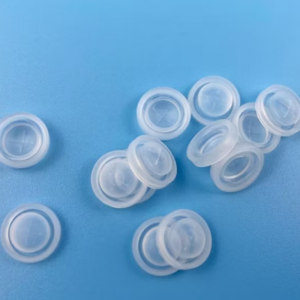
At Colosilicone, we specialize in the custom design and production of high-quality silicone products. Our deep understanding of the factors that cause shrinkage allows us to minimize this issue, ensuring your products maintain the highest standards of quality and performance.
Here’s how we manage rubber shrinkage:
-
Optimized Mold Design: We create molds that account for expected shrinkage, ensuring your final product meets the exact specifications.
-
Precise Curing Control: Our advanced curing techniques are designed to reduce unwanted shrinkage, balancing temperature, pressure, and time.
-
Material Selection: We use high-quality, food-grade silicone and other specialized materials to control shrinkage, tailored to each project’s requirements.
-
Research and Development: Our continuous focus on R&D enables us to refine our processes and innovate ways to reduce shrinkage while maintaining product strength and durability.
-
Manufacturing Expertise: With decades of experience in silicone product manufacturing, we leverage best practices to manage shrinkage and enhance product reliability.
Conclusion: Managing Shrinkage for Optimal Results
Shrinkage is an inherent part of the rubber manufacturing process, but it doesn’t have to be a barrier to producing high-quality products. By understanding the factors that cause shrinkage—from expansion during curing to material composition—manufacturers can take proactive steps to control and minimize it. At Colosilicone, we combine expertise, technology, and precision to deliver custom silicone solutions that meet your needs with minimal shrinkage.
If you’re looking for a reliable partner to supply custom silicone products, we’re here to help. Contact us today to learn more about how we can work together to deliver the best solutions for your business.