
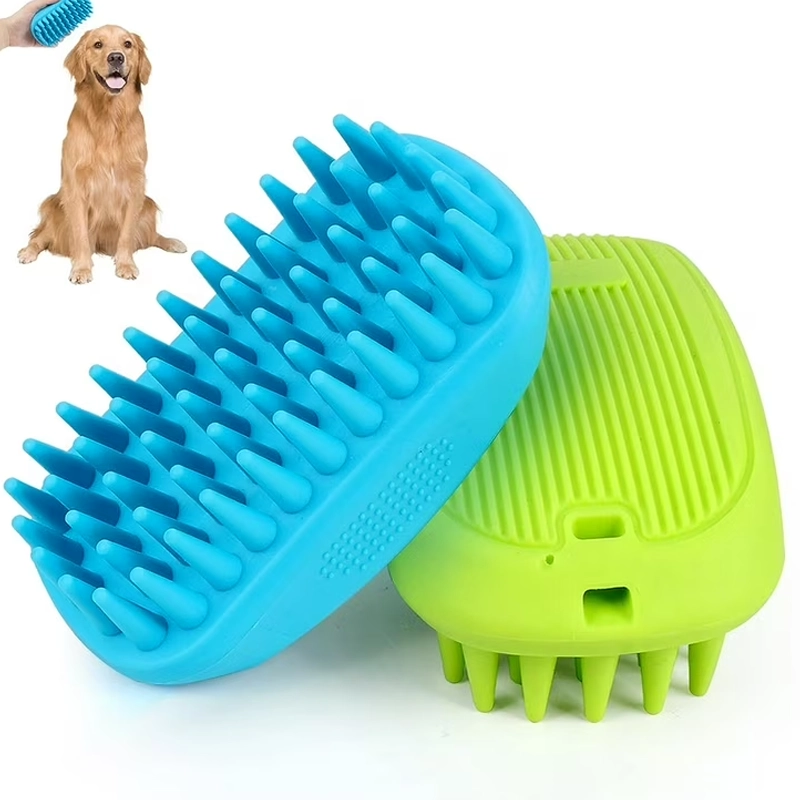
Quick Comparison
- Rubber Brushes — typically made from molded nitrile or thermoplastic elastomers (TPE). They are excellent for lifting loose hair and stimulating oil distribution on short-haired pets. They’re inexpensive and widely available from multiple suppliers.
- Silicone Brushes — made from food-grade or industrial silicone (often LSR or molded HTV). They offer superior hygiene (non-porous, easy to sanitize), longer durability, and softer contact with the skin. Ideal for sensitive animals and for wet grooming (bathing).
- Best use by coat type — short, dense coats: rubber brushes work well; medium to long coats, and pets with sensitive skin: silicone brushes are usually better. For bathing and deshedding during shedding season, silicone brushes outperform rubber at releasing trapped dirt and distributing shampoo.
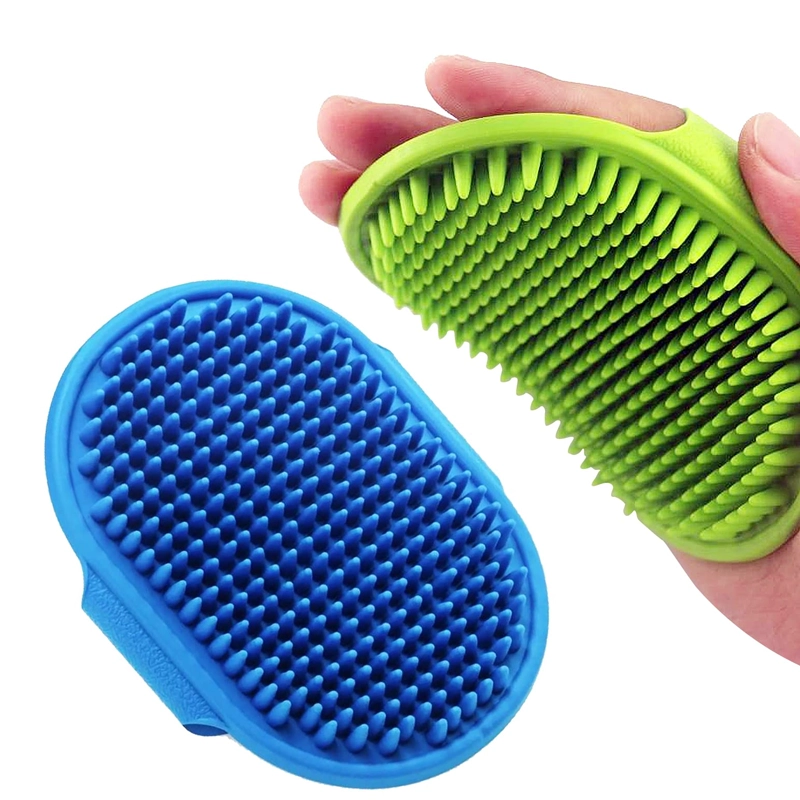
Other notable differences between Rubber Dog Brushes and Silicone Dog Brushes
Durability and lifecycle
Rubber can harden, crack, or attract oil and grime over long use; silicone resists UV, ozone, and most household chemicals and maintains flexibility for millions of cycles. From a factory and supplier perspective, silicone parts often command higher upfront tooling costs but deliver lower warranty returns and better perceived product quality.
Hygiene and cleaning
Silicone is non-porous and can be washed, boiled, or sanitized without degradation. Rubber/TPE can retain oils and odors over time and may require more aggressive cleaning agents that shorten product life.
Tactile feel and pet comfort
Silicone’s surface feel is smooth and consistent; designers can tune durometer (softness) precisely to avoid scratching the skin while still removing loose hair. Rubber tends to be tackier and can feel rougher on delicate skin.
Environmental & regulatory considerations
High-quality silicone formulations are often marketed as hypoallergenic and can be formulated to meet stricter regulatory or retail standards. When sourcing at scale, ask suppliers for material certificates and test reports.
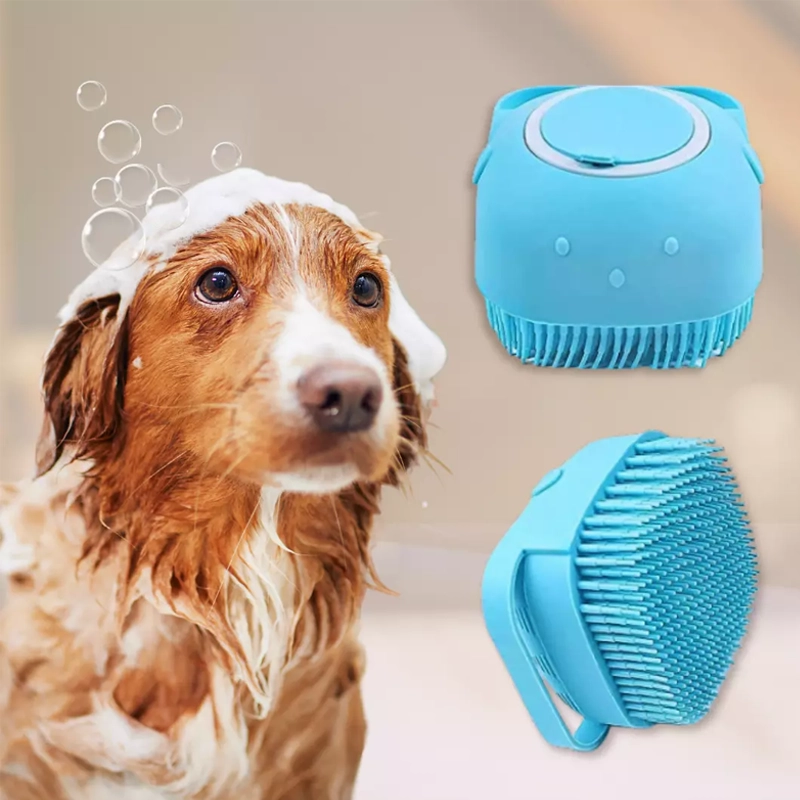
How does Rubber and Silicone feel different?
Physical differences you can sense
- Flexibility: Silicone maintains elasticity across temperature ranges; rubber stiffens in cold conditions.
- Surface friction: Rubber often feels slightly tacky, giving immediate grip on hair; silicone feels smoother and glides more easily across fur.
- Pressure distribution: Silicone spreads contact pressure evenly, reducing pinch points and the risk of skin irritation.
How that translates to grooming
- For quick de-shedding on short-haired breeds, the tackiness of rubber can work well. For prolonged brushing, bathing, or sensitive skin, the gentler, more consistent feedback from silicone reduces animal stress and owner fatigue.
Manufacturing Process of Silicone Pet Brushes
Design & material selection
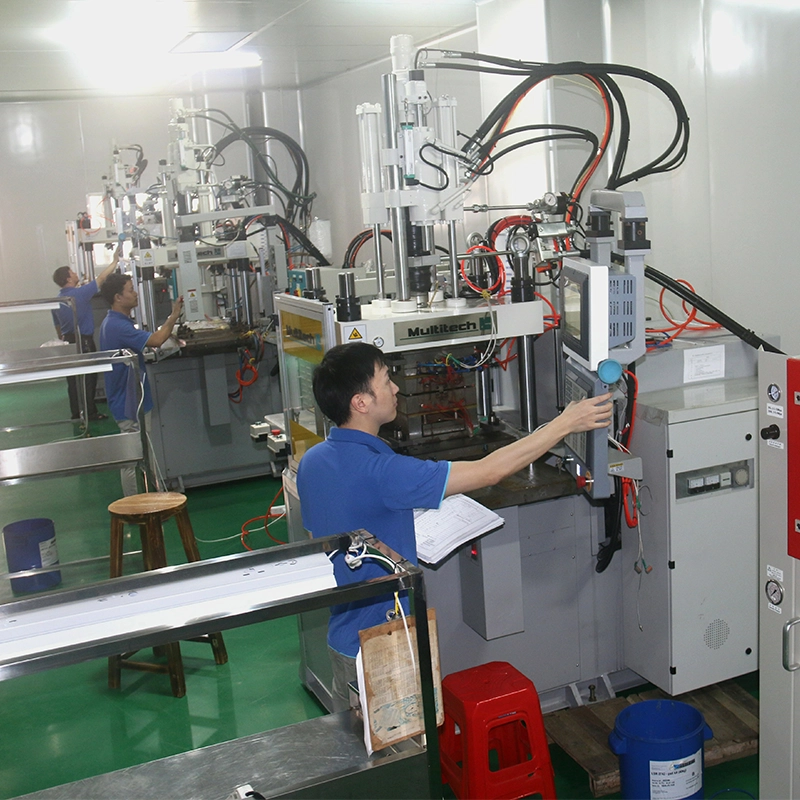
A one-stop-service factory offering custom service will begin with DFM (design for manufacturability), choosing the right silicone grade (LSR for high-volume injection molding or HTV for compression molding). Key considerations include durometer, tear strength, and resistance to detergents.

Tooling and molding
- Tooling: High-precision CNC molds with appropriate venting and texturing. Tool life and surface finish are crucial for brush fins or nodules.
- Molding methods:
- LSR injection molding — ideal for complex, thin features and fast cycle times in high-volume production.
- Compression molding (HTV) — used for thicker, simpler geometries or lower-volume runs.
- Overmolding — silicone bonded to a rigid core (plastic or stainless steel) creates hybrid brushes with increased rigidity and ergonomic handles.
- Post-processing: Deflashing, demolding, and surface treatments (matte/gloss finishes); printing or laser marking for logos and instructions.
Quality control and supplier responsibilities
Reputable suppliers and factories provide material certificates, process capability (Cp/Cpk) reports, and batch traceability. For OEM projects, a good vendor will also handle testing: durability cycles, chemical resistance, and accelerated aging.

Summary
Choosing between rubber and silicone pet brushes depends on your priorities as a buyer or brand owner. If you value low unit cost and basic de-shedding for short-haired pets, rubber brushes can be effective. If you prioritize hygiene, longevity, superior user experience, and premium positioning — especially for wet grooming or sensitive animals — silicone brushes are the superior choice.
From a sourcing and manufacturing standpoint, partnering with a factory that provides custom silicone pet brushes, comprehensive one-stop service, and robust custom service capabilities simplifies product development and reduces time to market.
If you’re evaluating suppliers, be sure they offer clear documentation for materials and tooling, sample and prototyping services, and scalable production capacity.
Ready to develop a premium silicone pet brush?
Our factory team is standing by to help you evaluate materials, design ergonomic fins or nodules, and plan tooling and mass production. Tell us about your target volume, preferred durometer, and whether you want hybrid handles or full-silicone designs — we’ll provide a practical DFM review and a competitive quote. Contact our team at Colosilicone to request samples or start an OEM conversation today.