
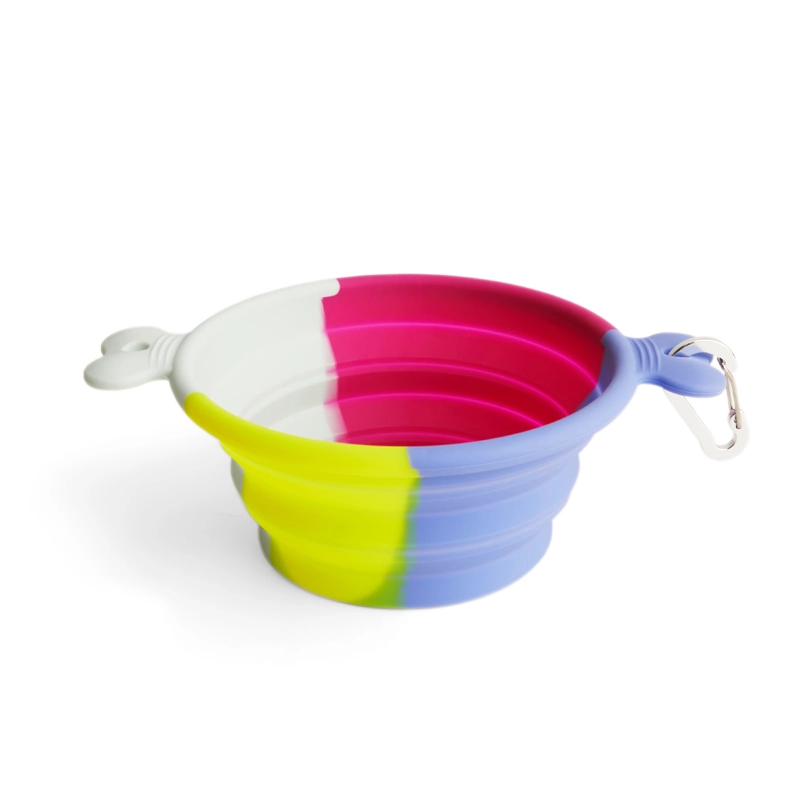
At Colosilicone, a dedicated manufacturer and factory for pet feeding solutions, we help brands and retailers select materials, design for manufacture, and scale production of custom silicone dog bowls and other pet feeders. Picking the right bowl material isn’t just about looks — it impacts pet safety, durability, cleaning, supply-chain cost, and retail positioning. This B2B guide walks through decision factors, material comparisons, manufacturing processes, and practical maintenance guidance so procurement teams and product managers can specify the optimal product for their market.
Factors to Consider When Choosing a Dog Bowl Material
Health and Safety
Choose materials that are food-contact rated, non-toxic, and resistant to chemical migration. Verify suppliers’ Certificates of Analysis (CoA) and food-safety test reports (FDA, EU/LFGB as applicable).
Durability
Consider the dog’s size and behavior: heavy chewers need tougher materials; small breeds often do fine with lighter trays.
Hygiene and Ease of Cleaning
Non-porous surfaces and dishwasher-safe materials are easier to sanitize and reduce bacterial buildup.
Cost and Budget
Factor in tooling and unit cost: stainless steel stamping, ceramic slip-casting, plastic injection molding, and silicone molding have different unit economics and MOQ profiles.
Aesthetic and Practical Needs
Design, color, and brand positioning influence choice — premium retailers favor ceramic or stainless, active/outdoor lines often prefer silicone or heavy-duty plastic.
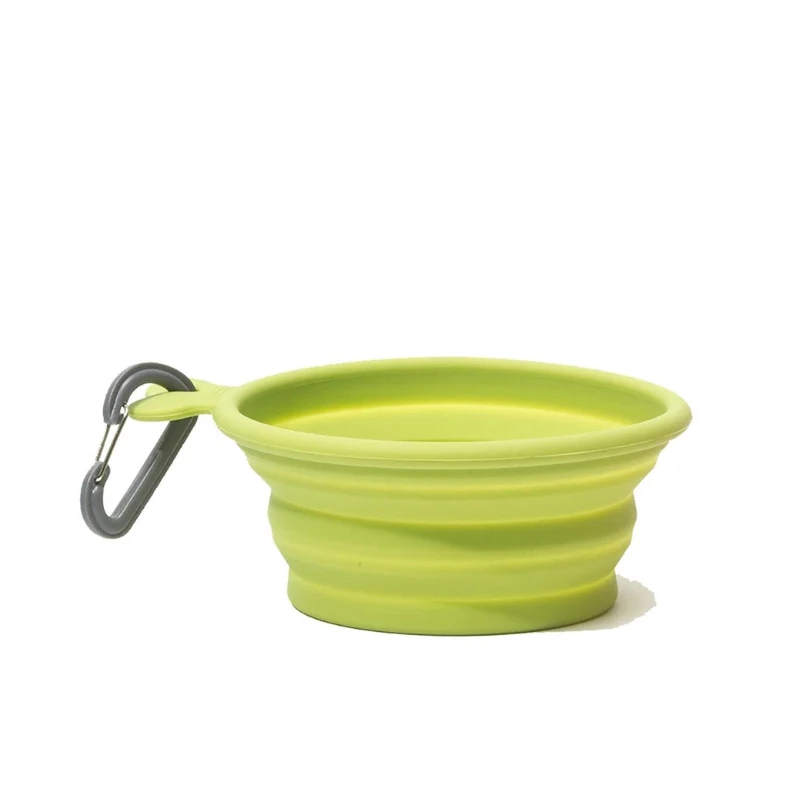
Comparison Table of Dog Bowl Materials
| Material | Safety | Durability | Cleanability | Cost | Typical Use |
|---|---|---|---|---|---|
| Stainless Steel | Excellent | Excellent | Dishwasher-safe | Mid | Kennels, high-use |
| Ceramic | Excellent | Moderate (fragile) | Dishwasher-safe | Mid-High | Home premium |
| Plastic (PP) | Good (if food-grade) | Moderate | Dishwasher-safe (some) | Low | Mass-market |
| Silicone | Excellent (food-grade) | Very good | Dishwasher & sterilizable | Mid | Travel, collapsible, novelty |
| Glass | Excellent | Fragile | Dishwasher-safe | High | Premium home |
Popular Dog Bowl Materials
Stainless Steel
Pros: Corrosion resistant, hygienic, long-lasting, non-porous, recyclable.
Cons: Can be noisy; needs rubber base to prevent sliding; tooling cost moderate (stamped & formed).
Relevant manufacturing processes: progressive stamping, deep drawing, bead rolling, ultrasonic welding for rubber bases, passivation and electropolishing, automated inspection.
Ceramic
Pros: Attractive finish, heavy (no tipping), inert.
Cons: Can chip/shatter; heavier logistics.
Processes: slip casting, glaze firing, printing/decoration, QA glazing tests.
Plastic (Polypropylene / Tritan etc.)
Pros: Low cost, light, easy to mold with lids and measurement marks.
Cons: Risk of chemical migration if unverified resins; less premium feel.
Processes: injection molding, two-shot molding (for overmolded grips), ultrasonic assembly, melt-flow and migration testing.
Silicone
Pros: Flexible, impact-resistant, heat-resistant, collapsible options for travel, gentle on muzzles, dishwasher & sterilizer compatible. (Silicone is the safest material for dog bowls when food-grade, platinum-cured compounds are used.)
Cons: Can trap odors if low-quality compound or poor post-cure; require correct DFM to avoid thin, tear-prone sections.
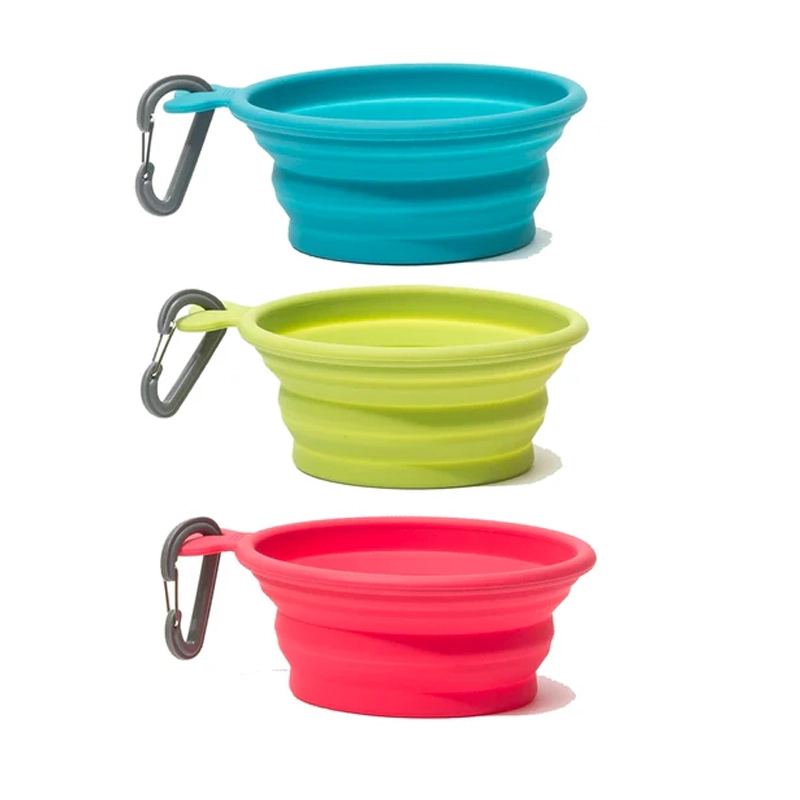
Processes (Colosilicone capabilities):
- Material compounding: platinum-cured LSR or high-grade HCR with low extractables and pigment control.
- Tooling: CNC-machined steel or aluminum molds optimized for venting and flow.
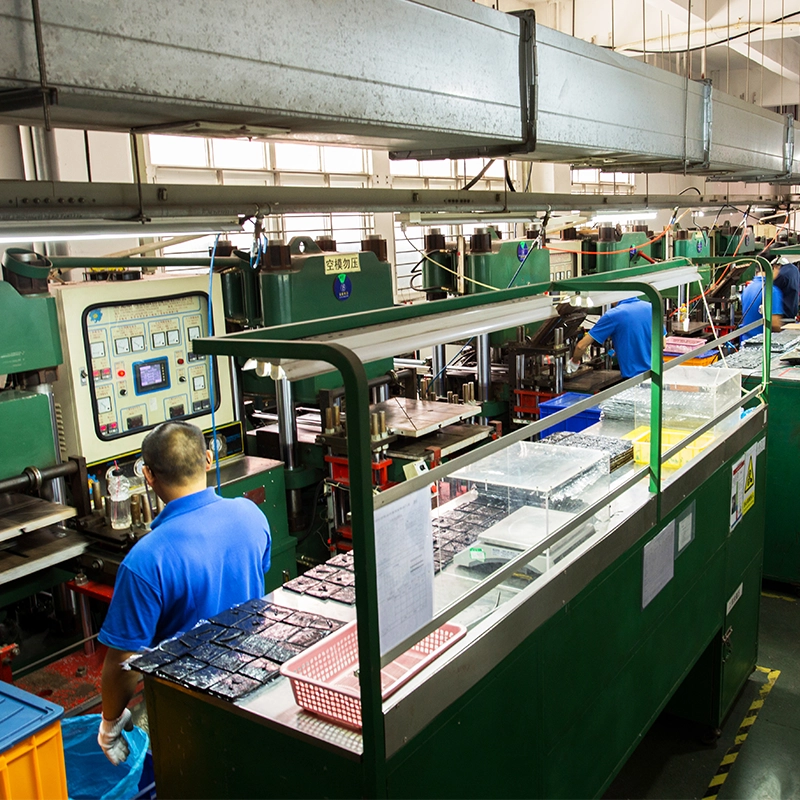
- Molding methods: Liquid Silicone Injection Molding (LSR/LIM) for thin walls and high-cavity tooling; compression molding for thicker, lower-volume parts.
- Secondary operations: overmolding (rigid PP rim + silicone liner), pad printing, embossing/debossing logos, ultrasonic welding for accessory parts.
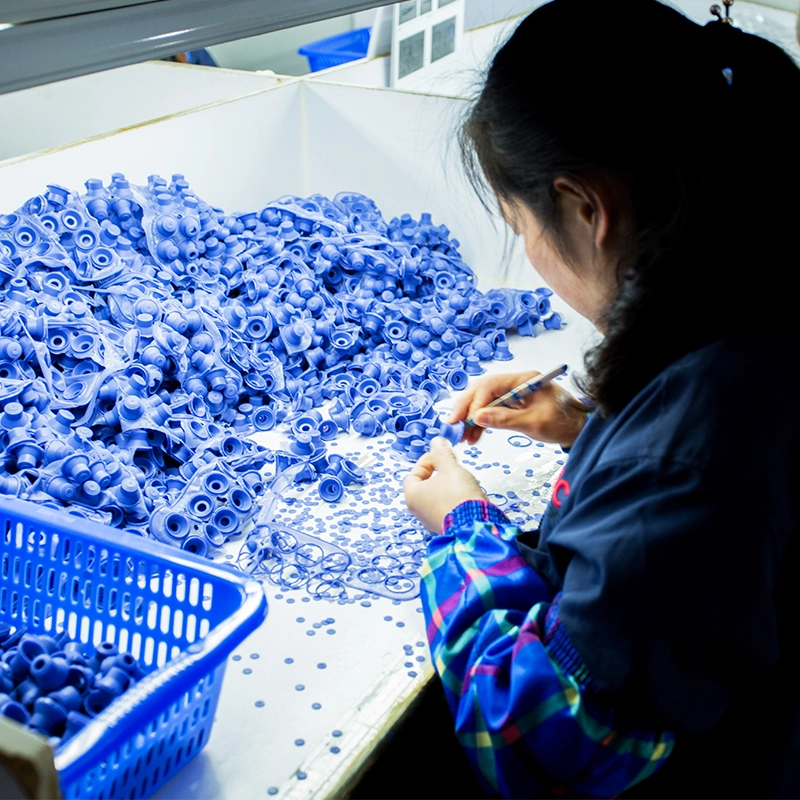
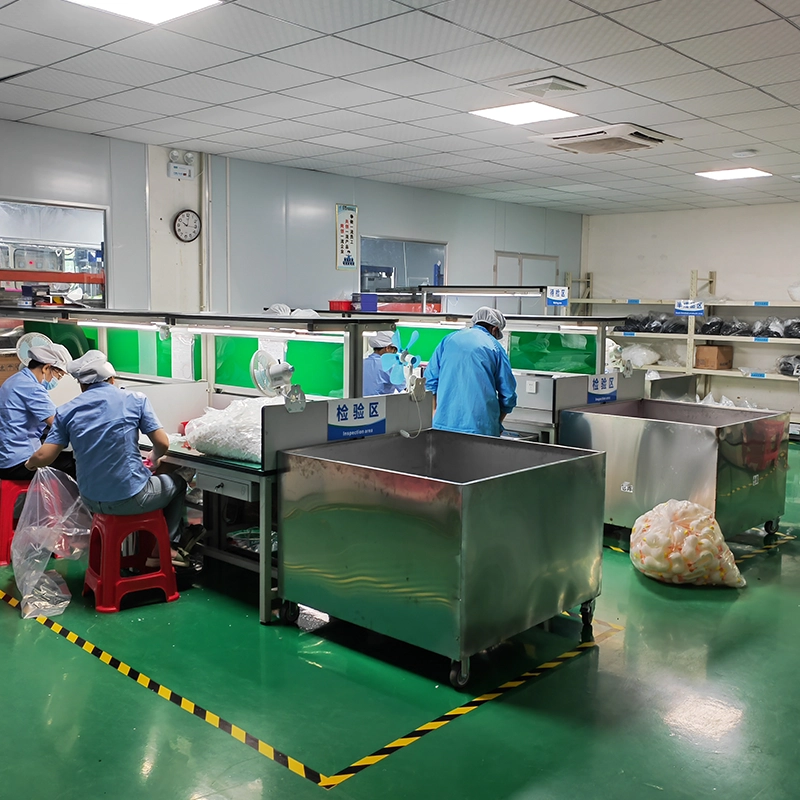
- Post-cure & finishing: controlled post-cure ovens, automated wash/sterilize lines, visual & dimensional inspection, lot traceability.
Silicone bowls combine safety, design flexibility, and manufacturability — ideal for private-label lines and premium travel/portable SKUs.
Glass
Pros: Non-reactive, recyclable, premium look.
Cons: Breakable, heavier logistics and packaging needs.
Processes: glass pressing/molding, tempering, decorative printing, protective silicone sleeves for retail bundles.
Safety Tips for Choosing and Maintaining Dog Bowls
How to Inspect Materials for Wear and Tear
- Check rims and seams for cracks or chips (ceramic/glass); look for deep scratches in plastic or silicone that can harbor bacteria.
- For silicone, inspect for discoloration or sticky residues indicating poor cure or inadequate cleaning.
Signs of Contamination or Harmful Residues
- Persistent odors after washing indicate retained organics or low-grade fillers.
- White mineral deposits indicate hard water; remove with vinegar soak and rinse.
Proper Cleaning Methods for Each Material
- Stainless steel: dishwasher-safe; periodic sanitization with diluted bleach (followed by thorough rinse).
- Ceramic: dishwasher-safe; avoid sudden temperature shocks.
- Plastic (PP/Tritan): dishwasher-safe if rated; avoid hot sterilization unless specified.
- Silicone: dishwasher, boiling, or steam sterilization OK if food-grade platinum-cured LSR; recommend periodic deep wash and air-dry.
- Glass: dishwasher-safe; handle with care.
Additional Maintenance Tips
- Replace plastic bowls showing deep scratches.
- Periodically remove rubber non-slip feet and clean under them.
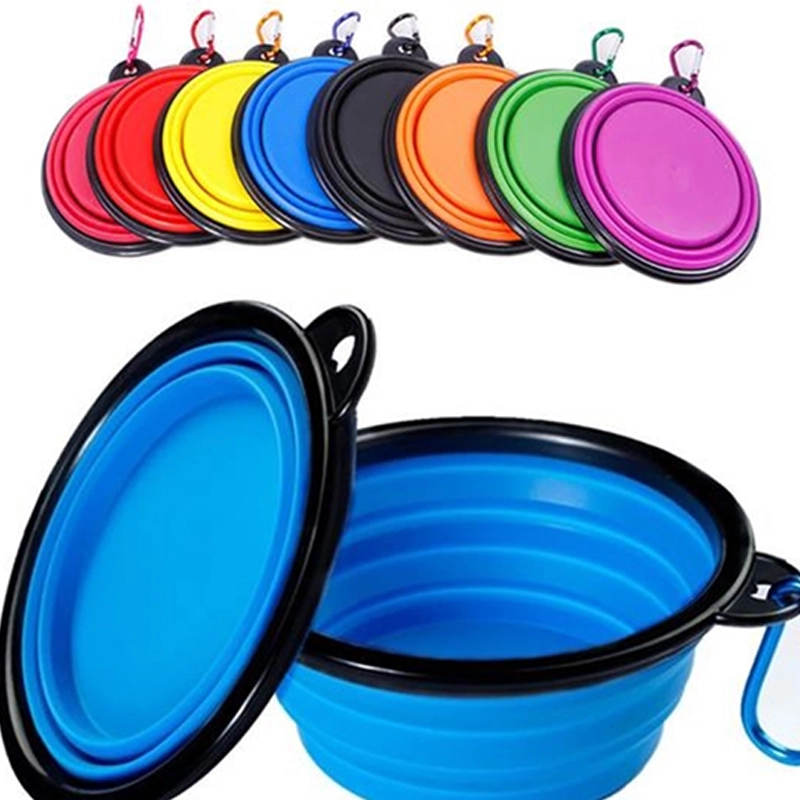
- For travel silicone bowls, advise customers to air-dry fully to avoid odor.
How to Match the Bowl Material to Your Dog’s Needs
Chewers and Puppies
Use heavy-duty stainless steel or thicker-walled silicone with reinforced ribs. Avoid thin plastic trays.
Sensitive or Allergic Dogs
Choose non-porous, inert materials: silicone (food-grade) or stainless steel are best.
Active or Messy Eaters
Wide, stable stainless steel bowls or non-tip silicone bases reduce spill and movement.
Travel Enthusiasts
Collapsible silicone bowls are ideal — light, packable, and easy to wash.
Popular Questions About Dog Bowl Materials
What is the safest material for a dog bowl?
Silicone, when manufactured from certified, platinum-cured food-grade compounds, offers the best combination of safety, flexibility, and ease of cleaning for many use cases. Stainless steel is also exceptionally safe and durable for high-use environments.
What qualifications does your dog’s kennel have?
(For B2B buyers: request supplier documentation.) Ask manufacturers for CoAs, FDA or LFGB compliance, migration tests, and mechanical durability reports.
Can Your Factory Custom My Silicone Dog Bowls?
Yes. Colosilicone offers full OEM service and custom service: custom colors, logos, dual-material (rigid + silicone) designs, collapsible formats, private-label packaging, and low-to-high volume production runs with rigorous QA and lot traceability.
Related Manufacturing Processes (Key for Specifying Products)
- LSR Liquid Injection Molding: ideal for high-cavity, consistent silicone bowls with thin walls and multi-durometer zones.
- Compression Molding: cost-effective for thicker silicone bowls or small-volume production.
- Injection Molding (PP, Tritan): standard for rigid plastic bowls and integrated lids.
- Progressive Stamping & Deep Drawing: for stainless steel bowls with formed profiles.
- Slip Casting & Glaze Firing: for ceramic bowls with decorative finishes.
- Secondary Finishing: pad printing, laser marking, overmolding, ultrasonic assembly, and automated washing/sterilization lines.
Conclusion
Material selection is a strategic trade-off between safety, cost, durability, and brand positioning. For most modern pet product assortments—especially travel-friendly, ergonomic, or design-forward SKUs—food-grade silicone is an excellent material choice due to its safety profile, manufacturability, and consumer appeal. Stainless steel remains the gold standard for heavy-use environments and institutional buyers.
At Colosilicone, we provide end-to-end manufacturing and OEM services for custom silicone dog bowls—from DFM and prototyping to LSR molding, post-cure, testing, and retail-ready packaging. We partner with global suppliers and brands to deliver high-quality, compliant pet feeding products.
Interested in a custom silicone bowl program or need factory specs and MOQ guidance? Contact Colosilicone for a technical consultation, sample tooling proposal, and lead-time estimate. We’ll help you match material, process, and cost to your market strategy.