
At Colosilicone, a dedicated manufacturing factory offering OEM service and a full one-stop service for pet product brands, we get asked this question every day. Silicone dog toys can be an excellent, safe choice — but safety depends on material grade, design, and manufacturing controls. This guide explains what makes silicone safe (or risky), what testing matters, how to design toys dogs will love, and how high-quality silicone dog toys are made at scale.
What Makes Silicone Safe (or Unsafe) for Dogs?
Silicone itself is a broad family of elastomers. For pet toys, safety depends on which silicone and how it’s formulated and processed.
Material Composition Breakdown
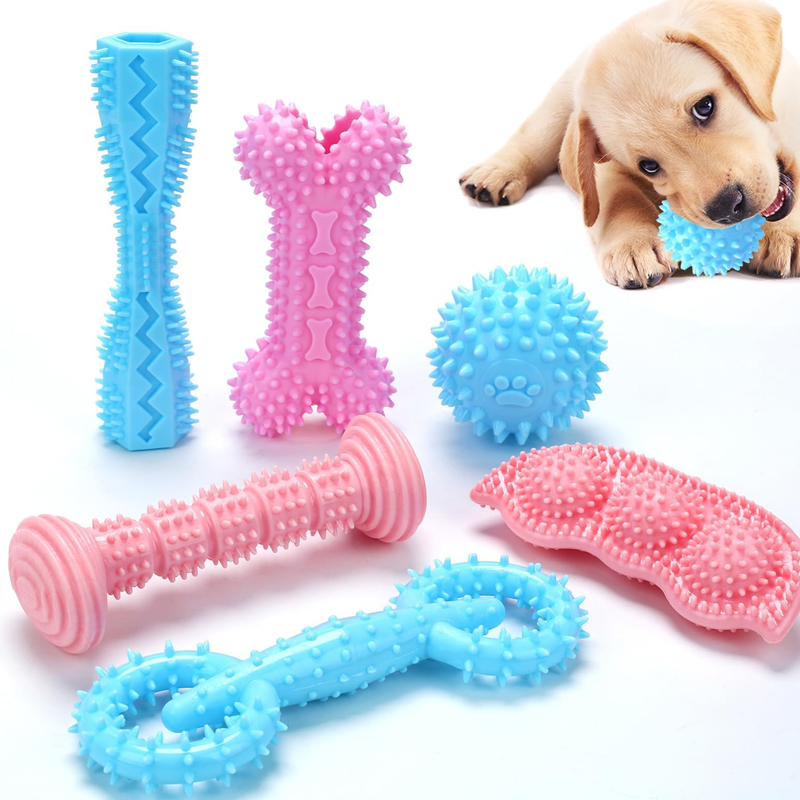
- Food-grade / medical-grade silicone: These are platinum-cured formulations with minimal extractables and no harmful plasticizers (no BPA, phthalates, or PVC). They resist heat, don’t leach chemicals, and maintain flexibility over a wide temperature range.
- Lower-grade silicones or blends: Cheaper compounds may contain fillers, improper catalysts, or colorants that can degrade, absorb odors, or release unsafe substances when chewed and heated.
- Additives and colorants: Use only pigments and additives rated for food contact; some dyes or recycled fillers can compromise safety.
Key safety takeaways: choose virgin, platinum-cured, food- or medical-grade silicone with certified additives and clear supply-chain documentation from your manufacturer.
Does Every Silicone Pet Toy Require Certification?
Mandatory vs. Recommended Testing
There is no single global mandatory standard specifically for pet toys; regulatory requirements vary by market. However, B2B buyers should expect and require evidence of appropriate testing.
- Mandatory: Jurisdictional rules may require material declarations or safety documentation for imported goods. For example, customs and retail chains often require supplier declarations and material safety data.
- Recommended (best practice):
- Food-contact compliance (FDA / EU food contact / LFGB) — useful benchmarks even for pet products.
- Chemical migration and heavy metals testing — ensures pigments and fillers won’t transfer to the animal.
- Cytotoxicity / biocompatibility tests (ISO 10993 series) for products that may contact mucous membranes.
- Mechanical and durability tests — tensile strength, tear resistance, abrasion, and chew/fatigue testing under simulated use.
- Accelerated aging and UV exposure — evaluates long-term stability and colorfastness.
- Microbial resistance and hygiene tests — especially for porous designs or integrated fabric parts.
Ask your supplier for lab reports, lot traceability, and a testing plan. At Colosilicone we include testing data and batch traceability as part of our OEM manufacturing packages.
Will Dogs Actually Like Silicone Toys?
Dogs’ preferences depend on texture, shape, smell, and play style.
Designing for Canine Appeal
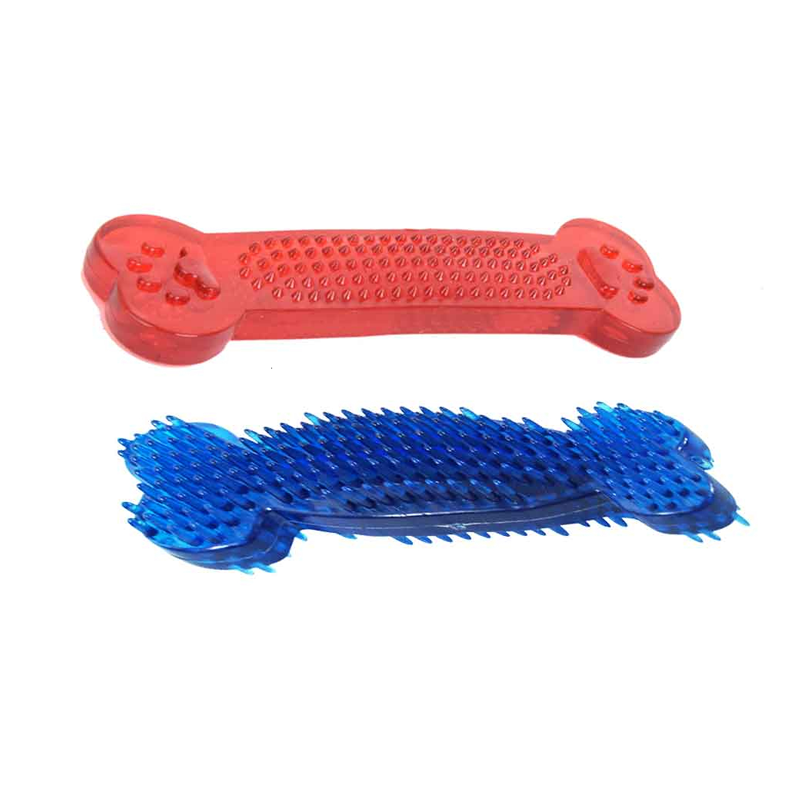
- Texture: Soft-but-durable silicone with varied surface textures cleans teeth and keeps interest.
- Shape and size: Avoid small parts or shapes that can lodge in the throat; match diameter to breed and bite force.
- Bounce and density: Silicone toys can be engineered to bounce or float for fetch—use durometer (shore A) tuning to match desired behavior.
- Interactive features: Treat pockets, internal squeakers (securely encased), and multi-material combos (silicone + rope) increase engagement.
- Scent and color: Dogs perceive color differently than humans, so design primarily for tactile and olfactory stimulation.
Good design balances attractiveness with safety: no loose attachments, no detachable small parts, and robust geometries to resist tearing.
Manufacturing Process of Silicone Dog Toys
High-quality silicone toys start with controlled, repeatable manufacturing:
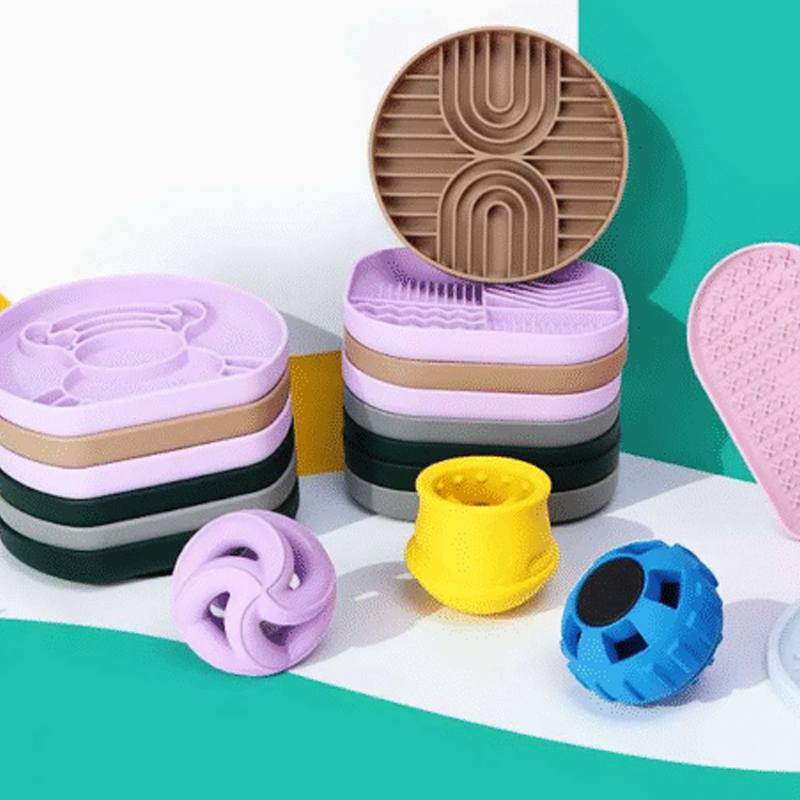
- Material selection: Virgin platinum-cured LSR (liquid silicone rubber) or high-grade compression-moldable silicone compounds specified for food contact.
- Tooling and prototyping: CNC-machined molds from steel or aluminum; rapid prototypes via soft tooling or 3D-printed masters to validate feel and function.
- Molding: LSR injection molding is common for complex shapes and overmolding; compression molding works for thicker, simpler parts. Precise cure cycles control crosslink density and mechanical properties.
- Post-processing: Demolding, trimming, washing, and inspection. For toys with embedded parts, automated assembly and secure encapsulation are used.
- Surface finishing & printing: Only use inks and coatings rated for dog contact; prefer molded-in legends over printed if long-term abrasion is expected.
- Quality control: Mechanical testing (tensile, tear, hardness), visual inspection, and sampling for chemical testing. Full traceability and batch documentation are essential for B2B supply.
- Packaging & labeling: Include size guidance, age/breed recommendations, and care instructions.
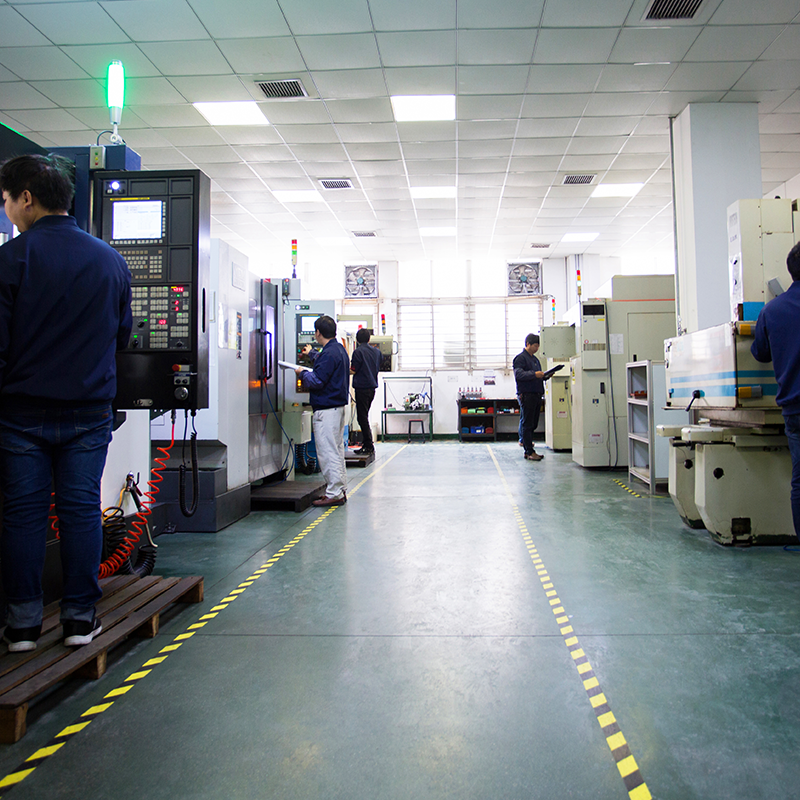
As a factory with end-to-end capability, Colosilicone offers design, prototyping, compliance testing, and scale production as part of our one-stop service.
Conclusion
Are silicone dog toys safe for dogs? Yes — when they’re designed and manufactured to the right standards. Safety depends on material grade (virgin, platinum-cured silicone), robust design to prevent ingestion or tearing, and thorough testing for chemical and mechanical durability. For B2B buyers, working with an experienced manufacturer and factory that provides OEM service, documented testing, and traceability is non-negotiable.
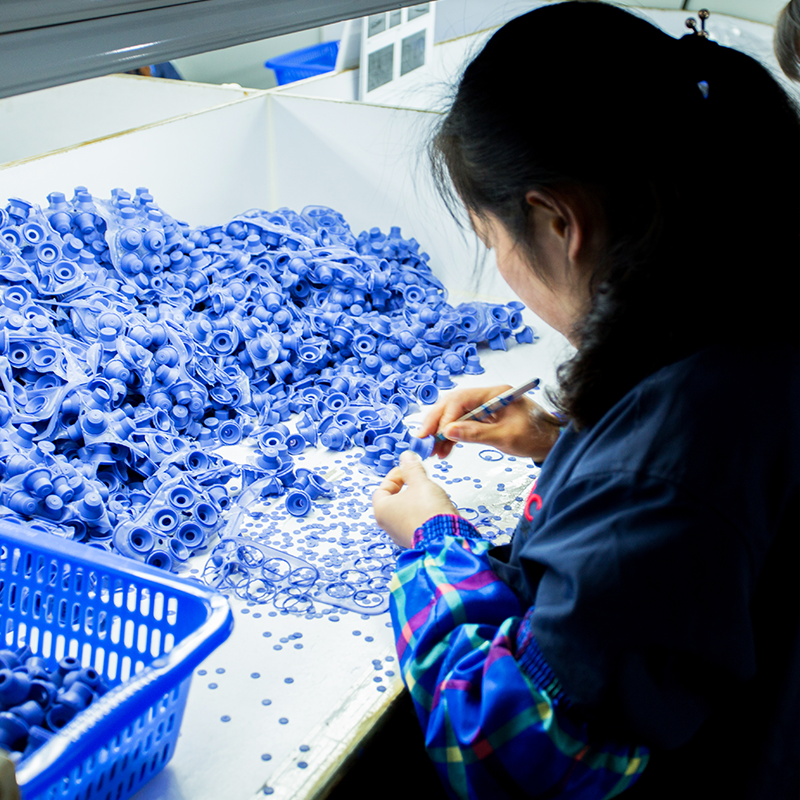
At Colosilicone, we provide full one-stop service from concept to mass production for custom silicone dog toys: material selection, tooling, compliance testing, and high-quality manufacturing.
Ready to develop safe, engaging silicone dog toys that meet retailer and regulatory expectations? Contact Colosilicone today for a feasibility review, prototype schedule, and comprehensive OEM quote. We’ll help you design market-ready products that dogs and buyers will trust.