
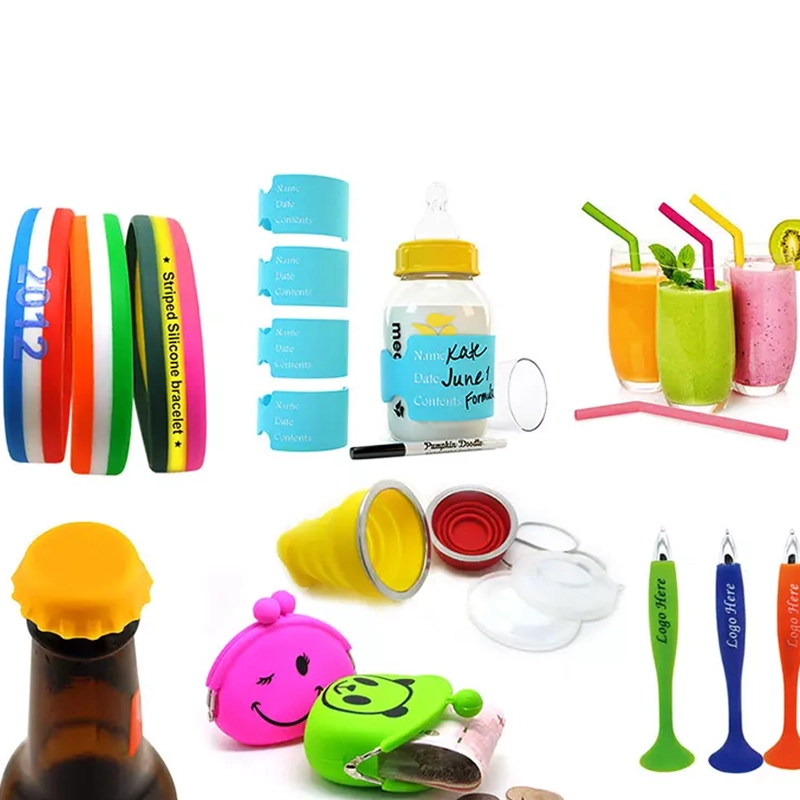
Welcome, innovators and industry leaders! If you’re exploring the world of custom silicone products, you’ve likely encountered the term “OEM” (Original Equipment Manufacturing). But what does the OEM process truly entail, and how can it transform your vision into a high-performance, market-ready product? At Colosilicone, we specialize in guiding brands through the complete journey—from initial concept to final delivery. Whether you’re in medical, automotive, consumer goods, or culinary tech, understanding this process is key to a successful partnership with a silicone manufacturer.
Think of OEM as more than just outsourcing production—it’s a collaborative, full-service partnership. You bring the idea, branding, and market insight; we provide the engineering expertise, material science, and manufacturing excellence to build your custom silicone components reliably and at scale. This process ensures every product meets precise specifications, regulatory demands, and your quality expectations.
So, let’s pull back the curtain. From material selection to molding techniques and finishing touches, here’s how custom silicone manufacturing works in a dedicated OEM environment like ours.
How Silicone Products Are Made and Customized for OEM Projects
The OEM journey blends established manufacturing methods with tailored custom service. It starts with your requirements—be it a silicone seal for a medical device, a durable kitchen utensil, or a specialized automotive gasket. Through close collaboration, we adapt each step—design, prototyping, material formulation, production, and QC—to align with your product’s function, aesthetics, and compliance needs.
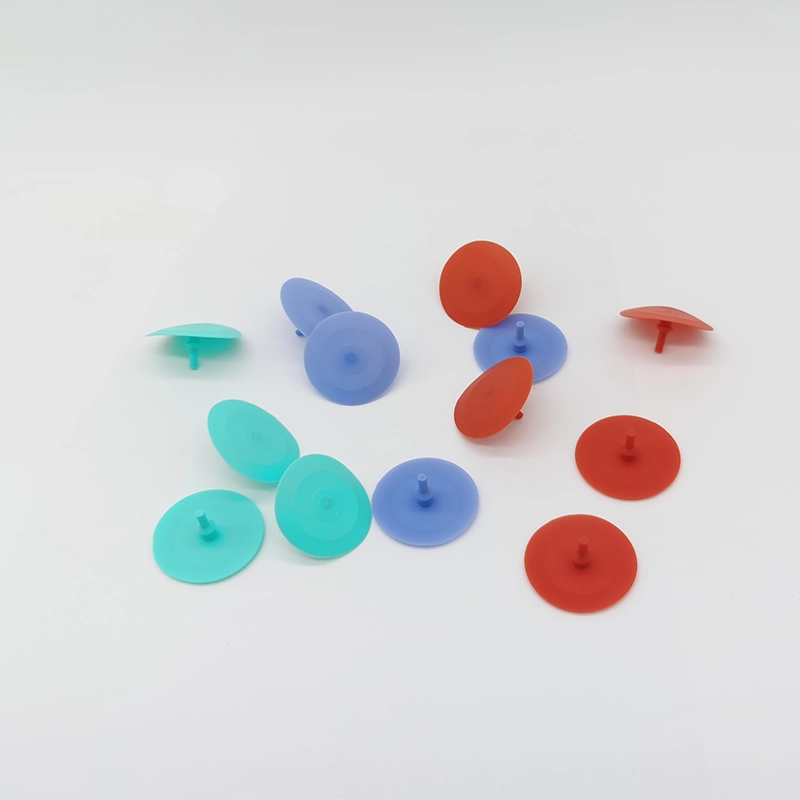
Manufacturing Processes for Silicone Products
Liquid Silicone Rubber (LSR) Injection Molding
Process Steps
LSR injection molding begins with two-part liquid silicone components fed into a precision meter-mix machine. The homogenous mixture is injected into a heated mold cavity under pressure. It quickly cures (often in seconds) into the desired shape, and the finished part is automatically ejected. This closed-system process is highly automated, allowing for exceptional consistency.
Advantages and Limitations
-
Advantages: Ideal for high-volume production of complex, delicate, or intricate parts with tight tolerances. Excellent for items requiring high purity (e.g., medical, baby care). Produces minimal flash, reducing secondary trimming.
-
Limitations: Higher initial tooling cost and less economical for very low volumes. Part geometry must facilitate proper liquid flow and air evacuation.
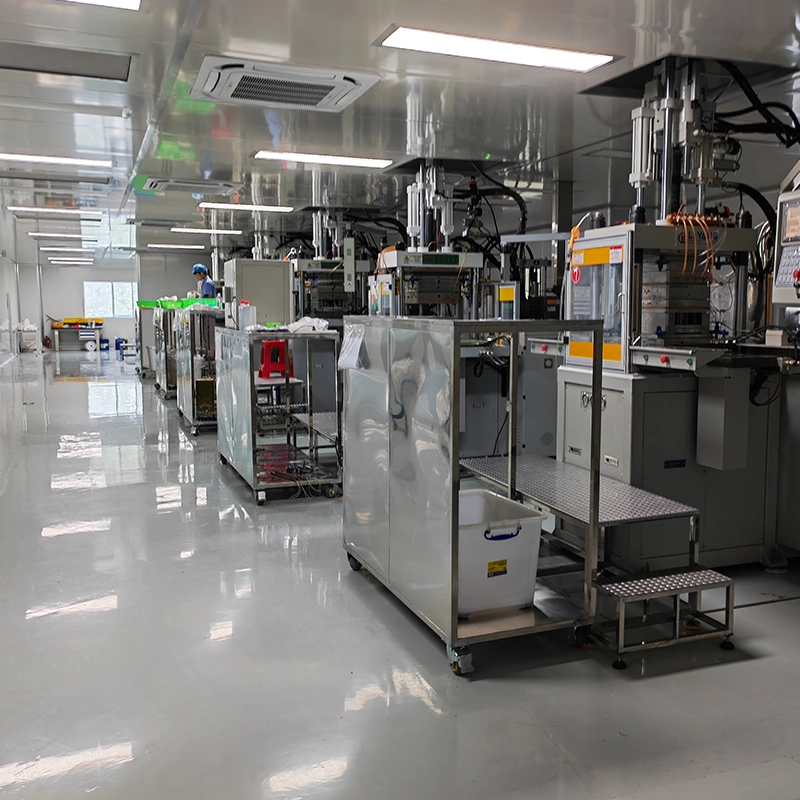
High-Consistency Rubber (HCR) Compression and Transfer Molding
Process Description
HCR, or solid silicone rubber, starts as a putty-like sheet or pre-form. In compression molding, a pre-measured amount is placed directly into a heated mold cavity, which is then closed under pressure, forcing the material to fill the cavity. Transfer molding involves placing the pre-form in a separate pot; a plunger then transfers the material through runners into the closed mold cavities.
Best Use Cases
Compression molding is cost-effective for larger, simpler parts like sheets, gaskets, or kitchenware handles. Transfer molding suits parts with metal inserts or more complex geometries that require more controlled material flow. Both are excellent for medium to high-volume runs where LSR tooling costs may be prohibitive.
Extrusion and Other Forming Techniques
Tubing, Sheets, and Profiles
Silicone extrusion pushes compounded HCR material through a die to create continuous shapes like tubing, cords, seals, and custom profiles. It’s perfect for creating weather-stripping, medical tubing, or rolls of sheet material that can be die-cut into gaskets.
Specialized Shaping Methods
Other techniques include calendering (producing silicone sheets), dipping (for gloves or protective coatings), and hand lay-up for very large, low-volume custom silicone products like industrial molds or baking mats.
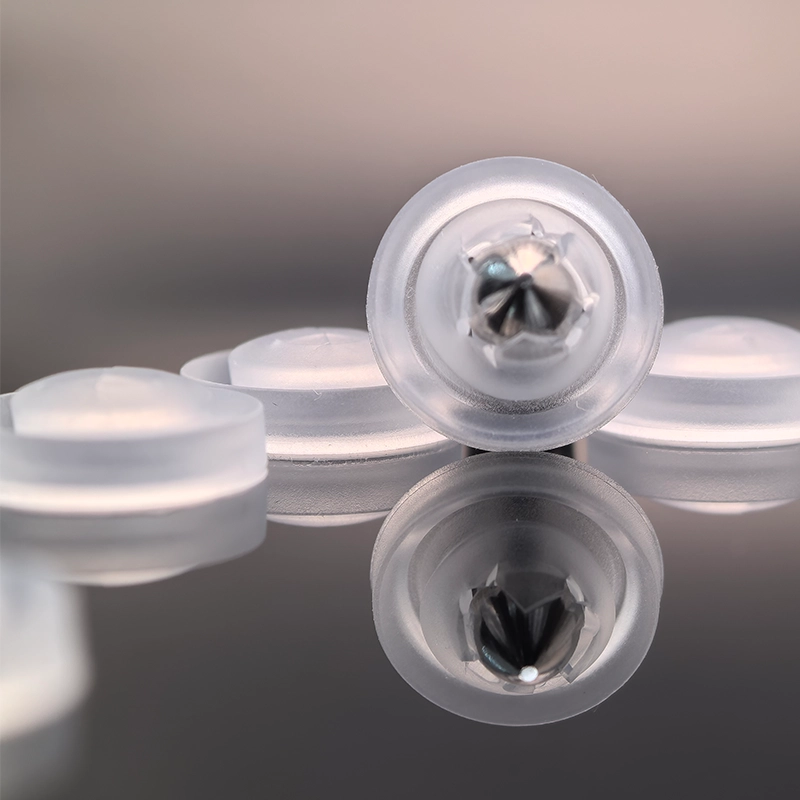
Customization for OEM Projects
Design and Prototyping
CAD Modeling and 3D Printing
The process begins with translating your concept into a detailed 3D CAD model. Our engineers analyze it for manufacturability, suggesting optimizations for draft angles, wall thickness, and parting lines. Using advanced 3D printing (often with silicone-like resins), we create rapid prototypes for form, fit, and initial functional testing.
Rapid Prototyping for Testing
These physical prototypes allow you to validate design, ergonomics, and assembly with real-world interfaces before committing to expensive production tooling—a crucial step in risk reduction.
Material Selection
Hardness, Color, and Additives
Silicone can be customized in Shore hardness (from ultra-soft 10A to firm 80A), any Pantone color, and with various additives. We can incorporate properties like enhanced tear strength, flame retardancy, thermal conductivity, or electrically conductive fillers based on your application.
Regulatory Compliance (FDA, RoHS, etc.)
For products in food contact, medical, or electronics industries, material selection is paramount. We guide you in selecting grades that comply with FDA, LFGB, USP Class VI, RoHS, REACH, and other global standards, providing necessary documentation.
Surface Finishing and Treatments
Textures, Coatings, and Printing
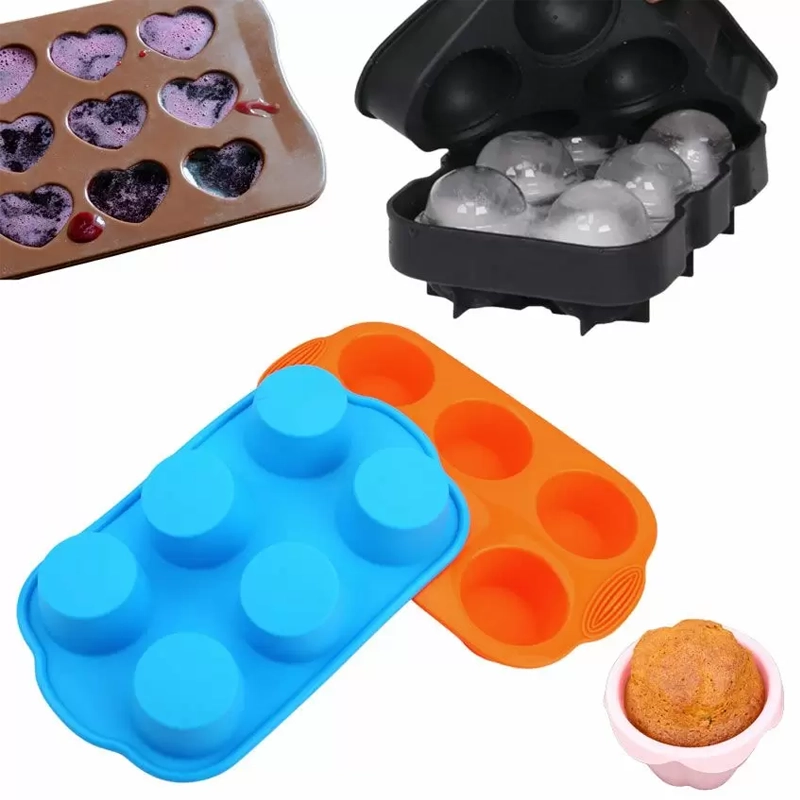
Mold surfaces can be textured (matte, grit, logo patterns) to impart specific aesthetics or improve grip. Secondary operations like pad printing, screen printing, or laser marking add branding, measurements, or instructional text. Functional coatings can enhance lubricity or provide barrier properties.
Functional Enhancements
Post-molding treatments like plasma exposure can activate the silicone surface for improved adhesion in multi-material assemblies. UV inhibitors can be added to the compound for outdoor applications requiring weatherability.
Production Scaling and Quality Control
Small Batch vs. Mass Production
Whether you need a pilot run of 500 units or full-scale production of millions, the process scales efficiently. At Colosilicone, we manage the transition seamlessly, ensuring consistency from first article to final shipment.
Testing and Inspection Methods
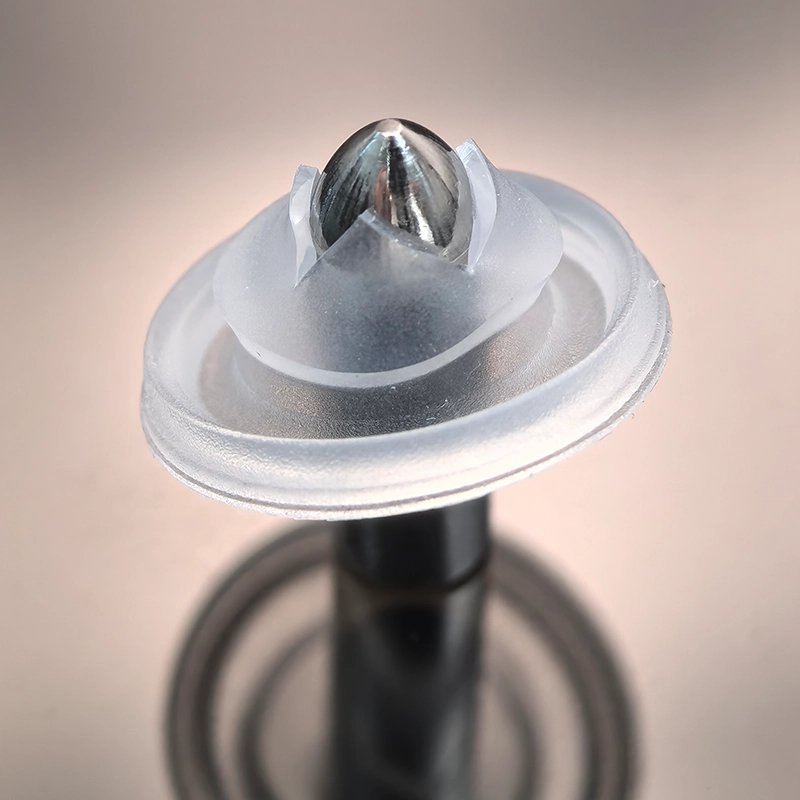
Rigorous QC is integral. This includes dimensional checks with CMM, material property verification (durometer, tensile strength), color matching, and application-specific tests like leak testing, fatigue cycling, or chemical resistance. Statistical Process Control (SPC) monitors production to ensure ongoing quality.
Conclusion
The OEM process for custom silicone manufacturing is a detailed, collaborative pathway from concept to marketplace. It leverages deep technical expertise in material science and precision molding to deliver products that are not just made, but engineered for purpose.
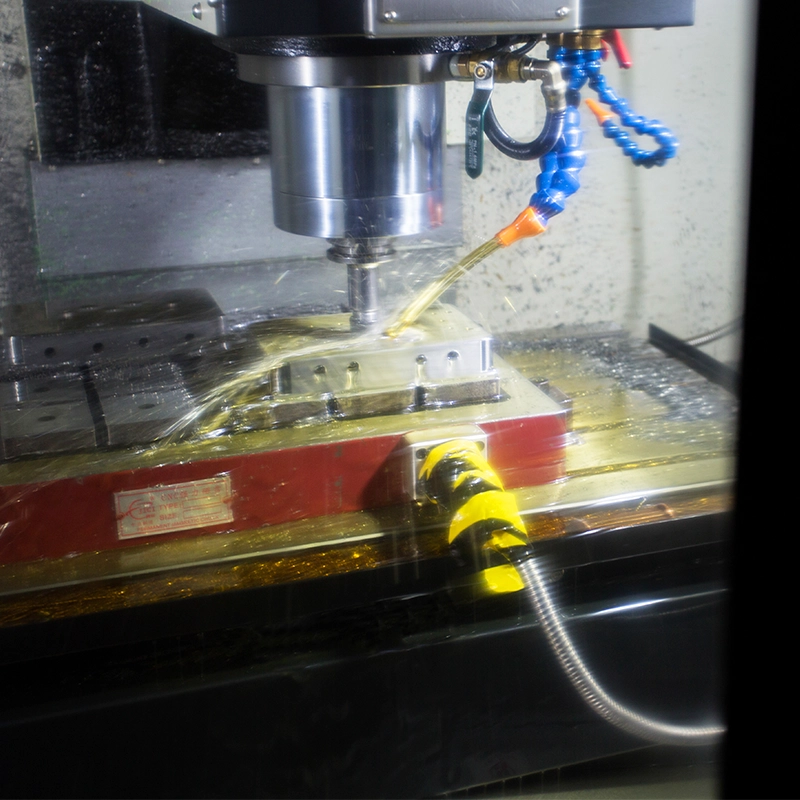
At Colosilicone, we pride ourselves on being more than just manufacturers; we are your dedicated partners in innovation. Our comprehensive custom service is designed to navigate every complexity, ensuring your product vision is realized with quality, reliability, and efficiency.
Ready to transform your idea into a tangible, high-quality silicone product? Let’s discuss your project requirements and how our OEM expertise can make it a success.
Contact Colosilicone today for a collaborative consultation.