
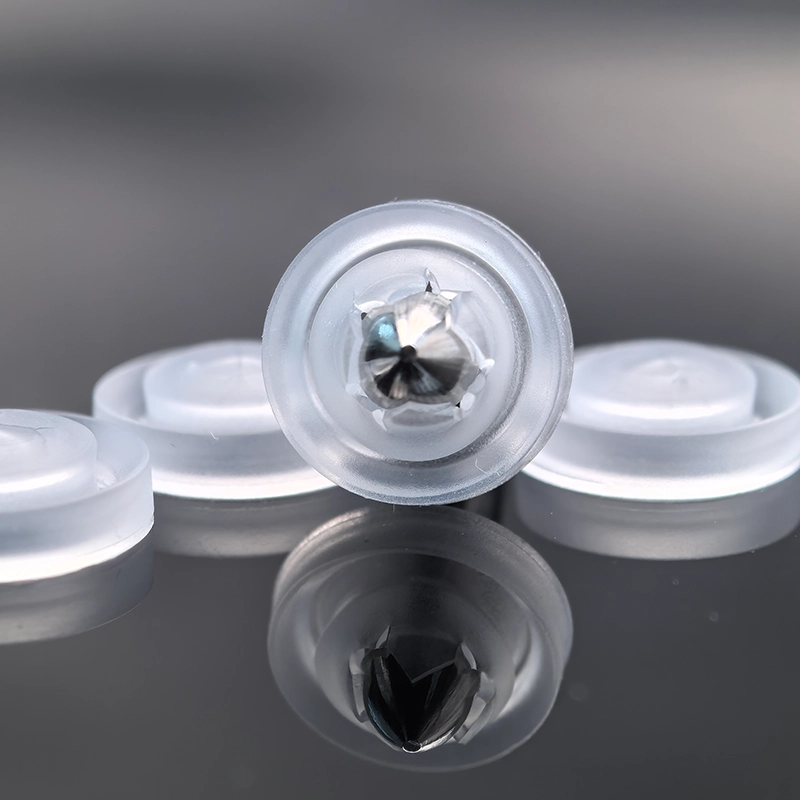
If you’re sourcing custom silicone dispensing valve solutions for food packaging, medical devices, or personal-care products, you want a partner who understands materials, molding, and regulatory needs. At Colosilicone we design, prototype, and manufacture custom silicone valves using industry-grade silicone rubber injection molding (LSR) and deliver production-ready parts with full quality control. This guide explains who makes silicone valve covers, the valve types we produce, where they’re used, and why choosing an experienced manufacturer matters.
Who We Are & What We Offer
Colosilicone is a full-service silicone valve manufacturer that provides end-to-end solutions: concept engineering, DFM reviews, toolmaking, LSR molding, post-cure, testing, and OEM packaging. We specialize in high-precision elastomer components for high-volume programs and regulated markets. Our customers range from startups launching new packaging concepts to established OEMs updating valve geometry for better sealing and dispensing performance.
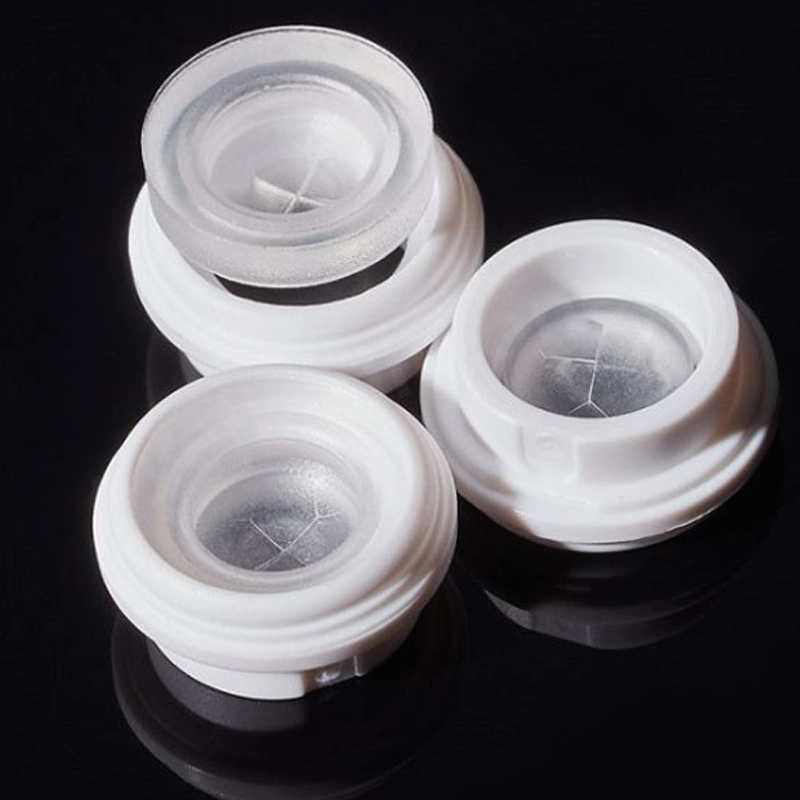
Types of Silicone Valves
Silicone valves come in many geometries. Each design solves specific flow and sealing challenges:
- One-Way Valves — Simple check valves that permit flow in one direction and prevent backflow; ideal for pump outlets and air vents.
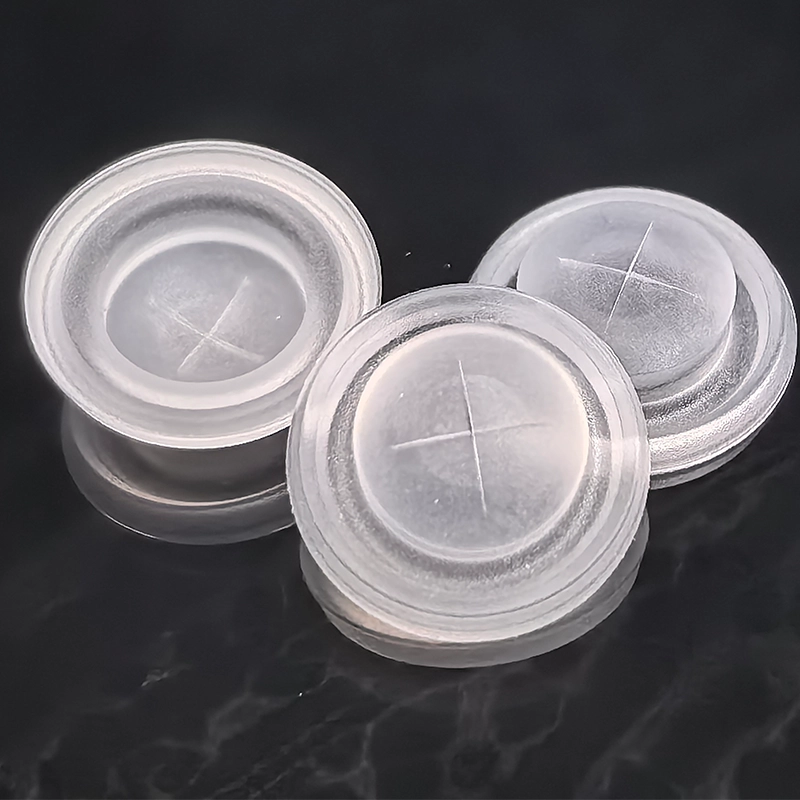
- Cross Slit Valves — Thin-membrane valves with an X-shaped slit that opens under pressure for precise dosing and reseals reliably; widely used in condiment, detergent, and cosmetic caps. (Also referenced in some documents as cross silt valves — a common variant spelling we accommodate in part specs.)
- Duckbill Valves — A tapered, slit-style valve optimized for soft, low-pressure dispensing; popular in medical and microfluidic devices.
- Umbrella Valves — Dome-shaped diaphragms that lift to pass flow and reseat to seal; commonly used where ultra-low cracking pressure and silent operation are needed.
We can supply these valves as discrete molded components (pop-in style), overmold them into cap assemblies, or integrate them as part of multi-material valve modules.
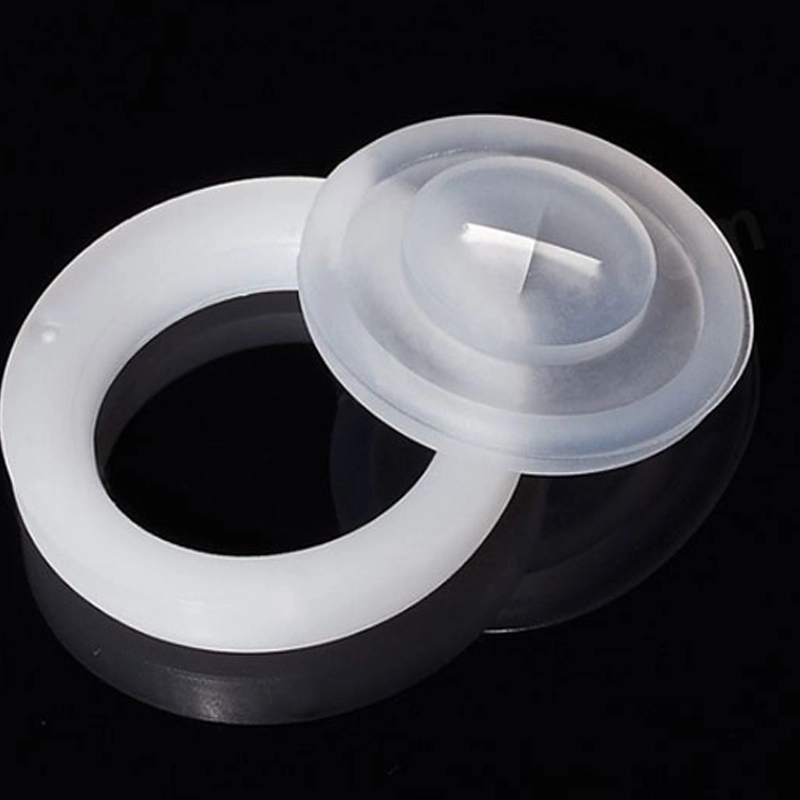
Applications of Custom Silicone Valves
Silicone valve covers and cartridges serve broad industries because of silicone’s biocompatibility, thermal stability, and elastic recovery:
- Food & Beverage: Ketchup and syrup dispensing valves, leak-proof dispenser caps; industry-grade, food-contact LSR compounds with FDA/LFGB compliance.
- Consumer Products: Shampoo, lotion, and household cleaners — valves that resist clogging, provide dose control, and survive repeated cycles.
- Cosmetics & Personal Care: Lightweight, elegant dispensing for serums and creams where tactile feel and appearance matter.
- Medical Devices & Healthcare: One-way breathing valves, infusion check valves, single-use disposable valve cartridges — produced under cleanroom conditions with USP/FDA-grade silicone when required.
Why Choose Colosilicone Silicone Valves?
Selecting the right supplier reduces development risk and improves time-to-market. Here’s why Colosilicone stands out:
Customization Capabilities — Silicone Valves Manufacturing
- Material options: Medical-grade LSR, VMQ, and specialty FVMQ grades for hydrocarbon resistance. We can recommend the right durometer, compression set, and FDA/USP-compliant compounds.
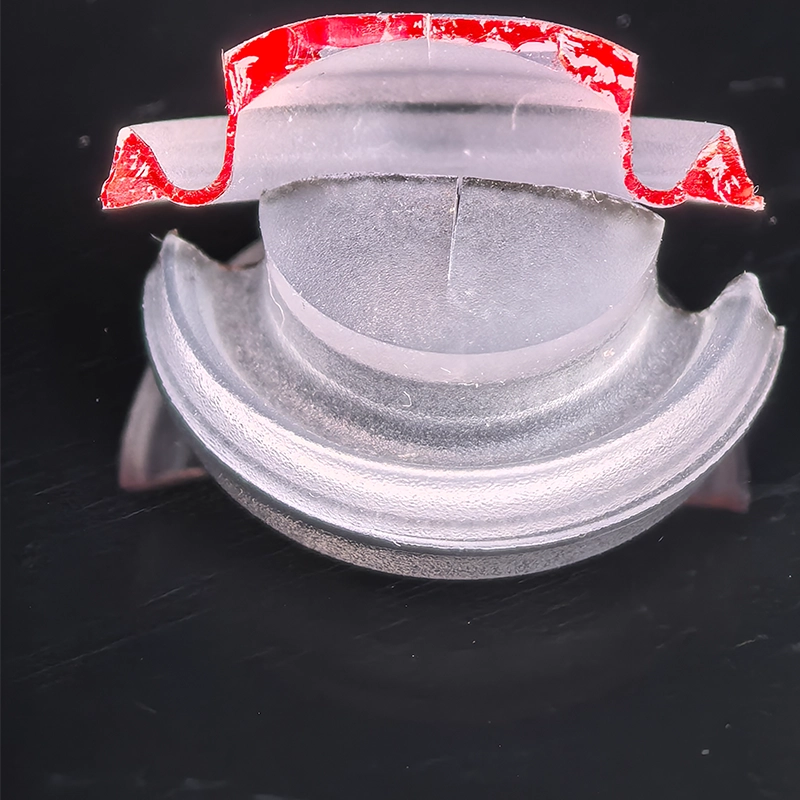
- Precision molding: Multi-cavity LSR tooling for consistent slit geometry, thin skirts, and tight tolerances required by cross-slit and umbrella valves.
- Overmolding & assembly: Insert molding to combine rigid cap housings with soft valve features in a single, leak-proof assembly.
- Rapid prototyping: Soft tooling and low-volume runs to validate cracking pressure and flow curves before full-cavity tool investment.
- Regulatory support: Material CoAs, extractables testing, and documentation packages for food or medical compliance.
Manufacturing Excellence
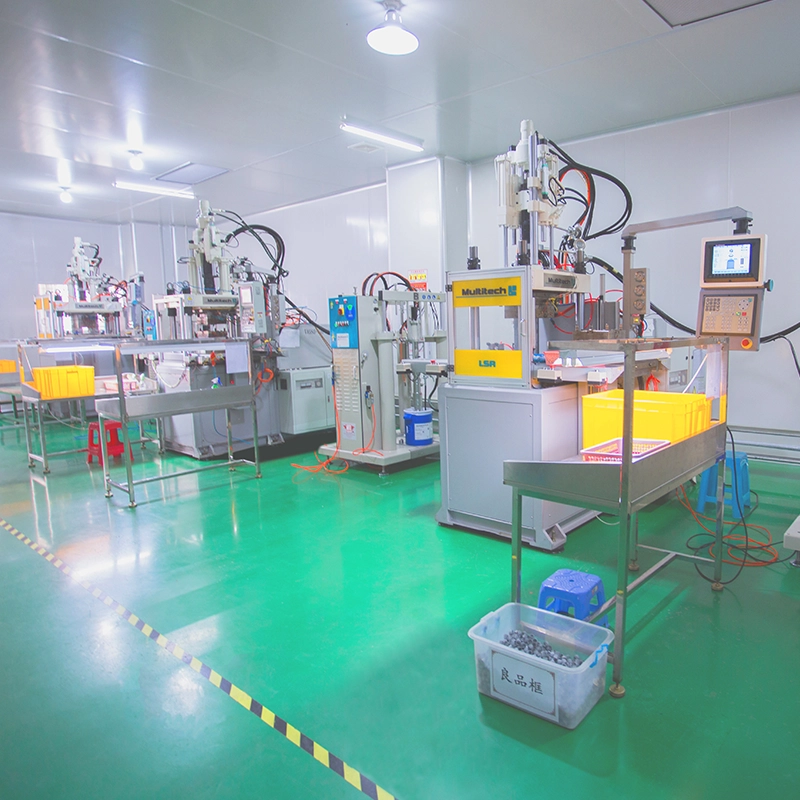
We run automated LSR injection lines with process control (shot-by-shot metering), AOI for critical slit inspection, and batch traceability. Our engineers optimize gate design, venting, and post-cure so parts meet mechanical specs and sealing performance across millions of cycles.
Working with a Professional Manufacturer of Silicone Valves
A professional silicone-valve manufacturer will guide you through:
- Design for Manufacturing (DFM): early suggestions on slit radius, skirt thickness, and boss features to control cracking pressure and reduce flash.
- Material selection: balancing flexibility, chemical exposure, and sterilization requirements.
- Prototype validation: short runs for life-cycle testing, leak tests, and dose profiling.
- Scale production: multi-cavity tooling, automated depaneling, and QC data outputs for supplier qualification.
Colosilicone partners with tooling houses, material suppliers, and finishers to provide a one-stop route from concept to palletized shipment.
Frequently Asked Questions (FAQ)
May I custom my silicone valves in your factory?
Yes. We offer full custom service: tooling, sample validation, pilot runs, and scaled production. Minimum order quantities depend on tooling and part complexity — we’ll propose options tailored to your volume.
What’s the quality assurance for your silicone valves?
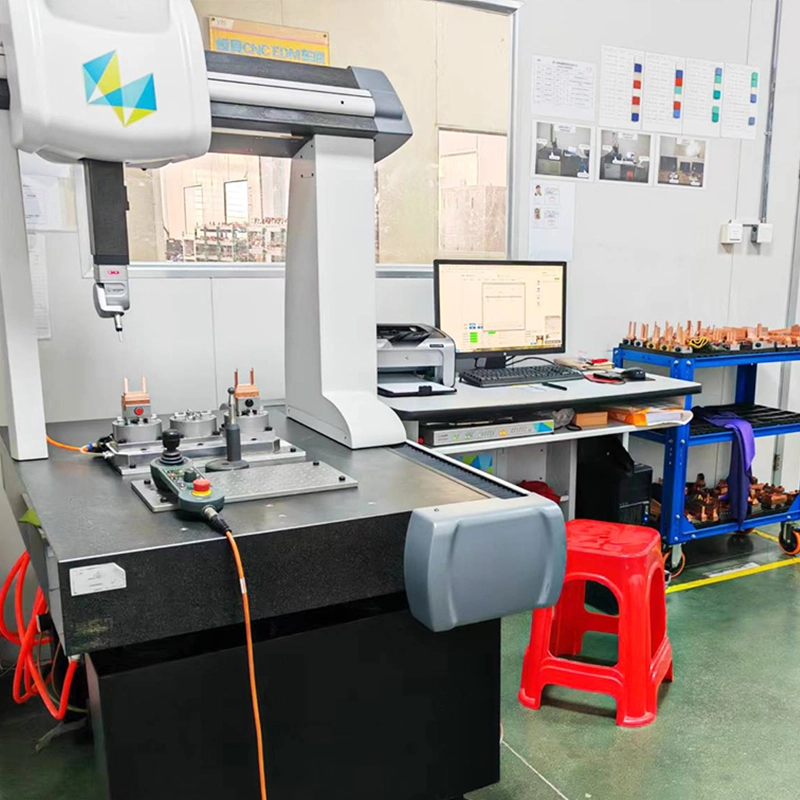
We run process control with SPC, AOI for slit inspection, tensile/tear testing, accelerated aging, and leak testing protocols. For medical or food applications we provide material CoAs and assist with extractables and biocompatibility testing as required.
Conclusion
Custom silicone valve covers — from cross slit valves to duckbill and umbrella designs — require precision molding, application-specific materials, and robust QC. As a dedicated custom silicone valve manufacturer, Colosilicone combines engineering support, advanced silicone rubber injection molding, and regulatory documentation to deliver parts that perform reliably in the field.
Interested in prototypes or need a manufacturability review for cross silt valves (cross-slit valves), overmolded valve caps, or integrated valve modules? Contact Colosilicone with your specifications, target volumes, and application environment — our team will propose a practical development path, tooling options, and quotes that align with your timeline.