
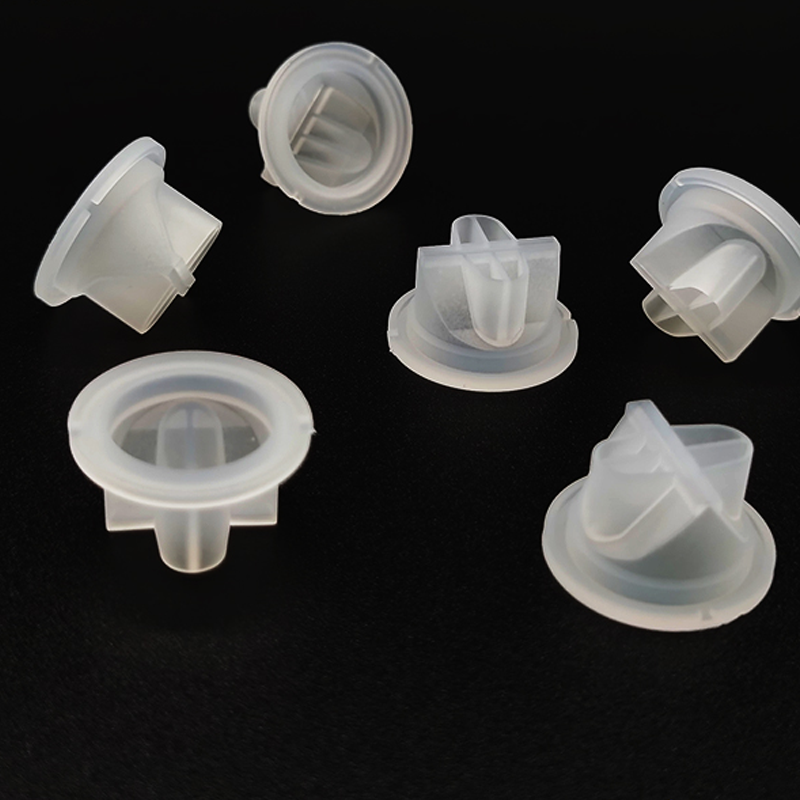
When designing compact fluid or air control systems, even the smallest component can determine overall performance. If you’re developing a medical device, micro pump, dispenser, or consumer product that requires precise one-direction flow, choosing the right valve is critical.
At Colosilicone, we work directly with OEMs, engineers, and product designers to manufacture high-performance one way silicone valves for applications where space is limited and reliability is non-negotiable. One of the most common questions we hear is: Should I use a duckbill one way valve or a traditional check valve?
This guide answers that question from a manufacturer’s point of view, explaining how each valve works, where each excels, and why silicone duckbill valves are often the preferred solution for modern microfluidic systems.
Understanding One-Way Flow Control
One-way flow control ensures that liquids or gases move in a single direction while preventing reverse flow that could cause leakage, contamination, or system failure. While both duckbill valves and traditional check valves achieve this goal, their design philosophy, materials, and performance characteristics are fundamentally different.
Traditional check valves were developed for industrial pipelines and high-pressure systems. Duckbill one way valves, on the other hand, were engineered specifically for low-pressure, compact, and precision-controlled environments.
What Is a Duckbill One Way Silicone Valve?
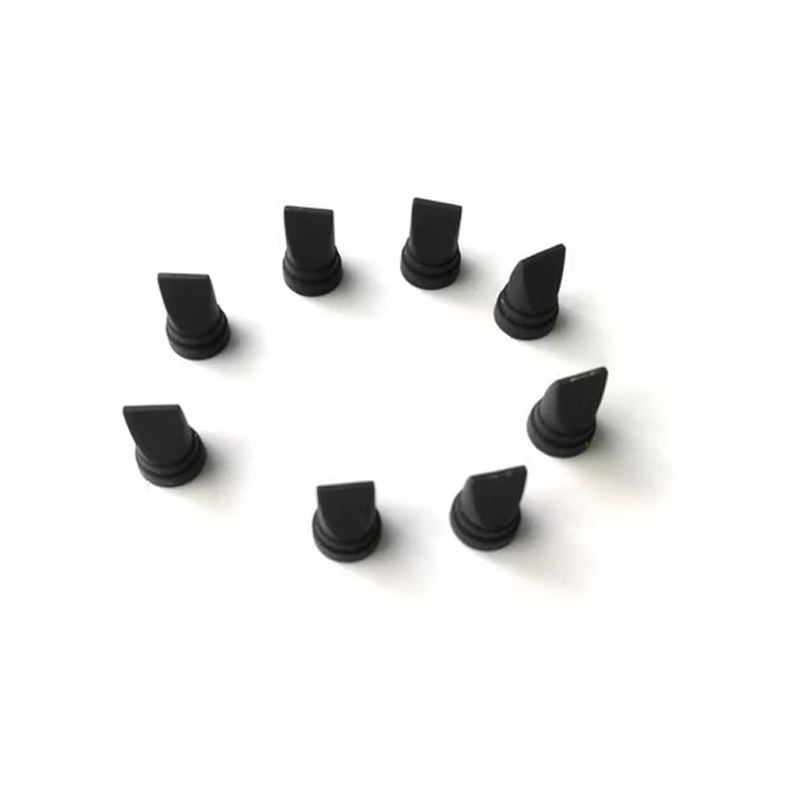
A duckbill one way valve is a self-sealing elastomeric valve molded from silicone or rubber. Its name comes from the slit-shaped outlet that resembles a duck’s beak. This slit opens under forward pressure and seals instantly when pressure is removed or reversed.
Structural Characteristics
- One-piece molded elastomer design
- No springs, balls, or metal components
- Manufactured via ketchup valve injection molding or precision LSR molding
- Typically made from medical-grade silicone, EPDM, or fluorosilicone
Because there are no rigid moving parts, duckbill valves operate silently, resist corrosion, and maintain excellent sealing performance over long service life.
At Colosilicone, our duckbill valves are engineered as leak proof valves, even under repeated cycling and micro-pressure conditions.
How Duckbill Valves Work
The working principle is simple yet extremely effective:
- Forward Pressure Applied
The slit opens elastically, allowing fluid or air to pass through with minimal resistance. - Stable Flow State
As long as forward pressure remains, the slit stays open, maintaining consistent flow. - Pressure Drops or Reverses
The elastic material immediately returns to its closed position, forming a tight seal and preventing backflow.
This passive operation makes duckbill valves ideal for systems that cannot tolerate mechanical failure, vibration, or noise.
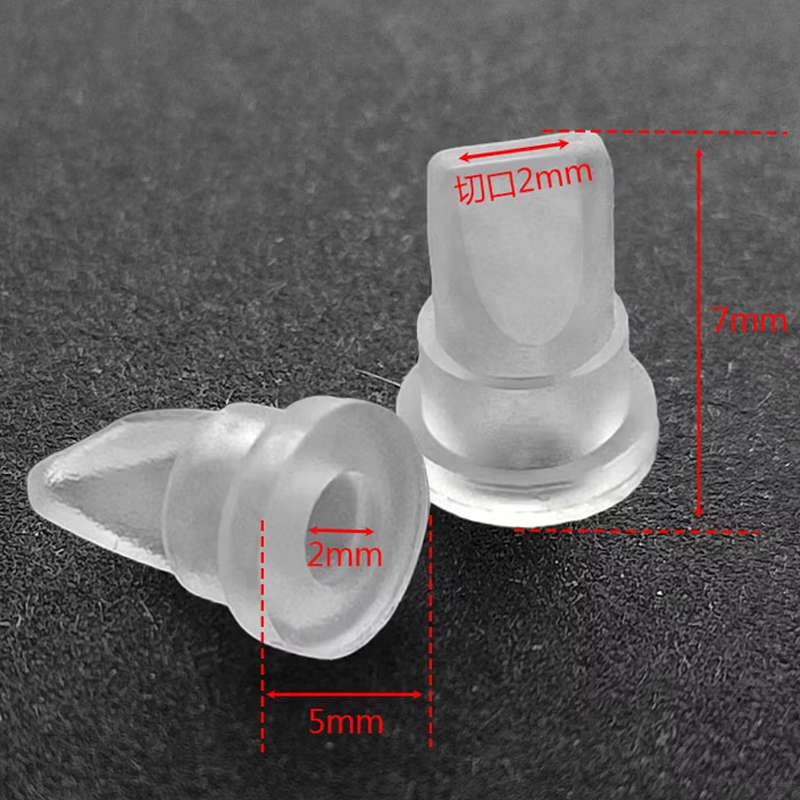
Typical Applications of Duckbill One Way Valves
Duckbill valves are widely used in industries that demand compact size, precision, and hygiene.
- Medical and diagnostic devices (infusion pumps, breathing circuits, sampling cartridges)
- Microfluidic and laboratory instruments
- Miniature pumps and dosing systems
- Cosmetic and food dispensers (ketchup, sauces, gels)
- Consumer appliances requiring leak-proof venting
Colosilicone manufactures duckbill valves as both standard components and fully customized parts, supporting OEM integration from prototype to mass production.
What Is a Traditional Check Valve?
A traditional check valve (also called a non-return valve) relies on mechanical components such as springs, balls, poppets, or flaps to block reverse flow.
Key Characteristics
- Multi-component assembly
- Typically metal or rigid plastic construction
- Requires a defined cracking pressure to open
- Designed for medium to high-pressure environments
These valves are robust and effective in industrial pipelines, but their size and mechanical complexity limit their suitability for miniature systems.
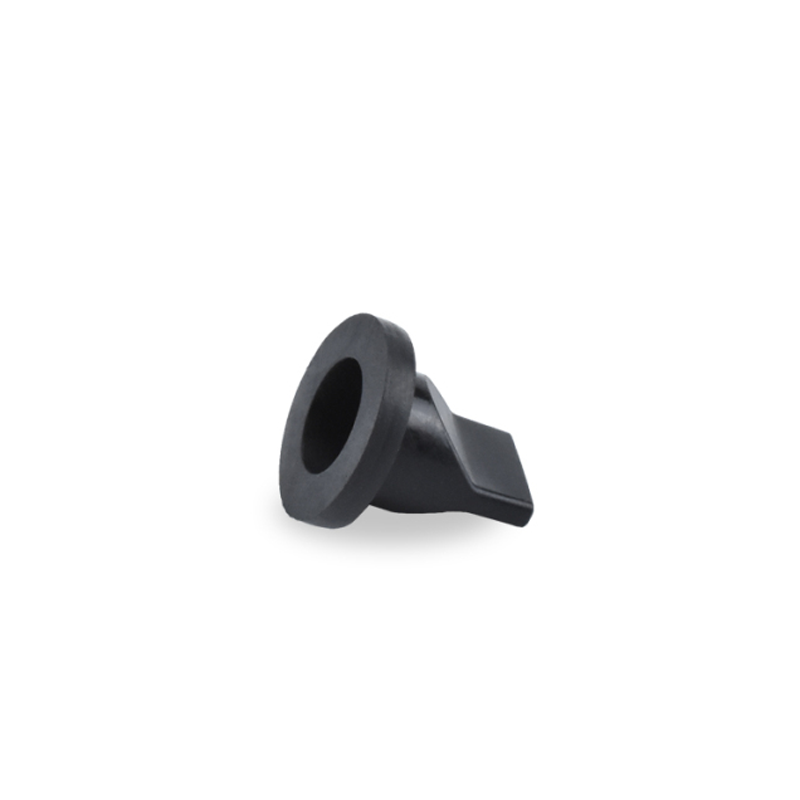
Typical Applications of Traditional Check Valves
- Water supply and plumbing systems
- Oil and gas pipelines
- HVAC and industrial fluid lines
- Hydraulic and pneumatic equipment
In micro-scale systems, however, mechanical check valves may introduce excessive pressure loss, noise, or maintenance challenges.
Duckbill Valve vs Traditional Check Valve: Key Differences
The table below summarizes the most important differences from an engineering and manufacturing perspective.
| Feature | Duckbill One Way Silicone Valve | Traditional Check Valve |
|---|---|---|
| Construction | One-piece flexible silicone or rubber | Multiple rigid components |
| Sealing Method | Elastic self-sealing slit | Spring, ball, or flap mechanism |
| Cracking Pressure | Very low (0.3–2 psi) | Moderate to high (2–10 psi) |
| Size | Ultra-compact | Larger footprint |
| Noise & Vibration | Silent | May produce noise |
| Maintenance | Maintenance-free | Periodic inspection required |
| Best Use | Microfluidic, medical, consumer | Industrial and high-pressure systems |
Micro Check Valves: Where Duckbill Designs Excel
Micro check valves are essential in systems where space, accuracy, and repeatability matter. In these environments, duckbill valves outperform mechanical designs in several critical ways.
Performance Parameters That Matter
- Low cracking pressure for battery-powered or gravity-fed systems
- Fast response time to prevent transient backflow
- Minimal pressure drop for stable micro flow rates
- Material compatibility for chemicals, gases, or biological media
Duckbill valves naturally meet these requirements without complex assemblies.

Common Types of Micro Check Valves
| Valve Type | Sealing Element | Key Advantage | Typical Use |
|---|---|---|---|
| Duckbill Valve | Flexible slit | Leak-proof, compact, silent | Medical, micro pumps |
| Umbrella Valve | Dome diaphragm | Fast response | Respiratory devices |
| Ball Valve | Miniature ball | Higher pressure tolerance | Ink or sampling systems |
| Disc/Flapper | Flat membrane | Low cost | Disposable devices |
Among these, duckbill valves are the most versatile and integration-friendly for modern product designs.
Advantages of Duckbill One Way Valves in Micro Systems
1. Compact and Integration-Friendly
Duckbill valves can be molded directly into housings or press-fitted into channels, reducing part count and assembly time.
2. Excellent Leak-Proof Performance
As a leak proof valve, the duckbill design prevents micro-leakage even at near-zero pressure—critical for medical and analytical systems.
3. Low Cracking Pressure
This allows smooth flow in gravity-fed, low-energy, or micro-pump systems.
4. Maintenance-Free Operation
No springs to fatigue, no metal to corrode, and no moving parts to clog.
5. Material Flexibility
Colosilicone offers silicone formulations tailored for:
- Food contact
- Medical biocompatibility
- Chemical resistance
- High or low temperature environments

Manufacturing Duckbill Valves: Injection Molding Expertise Matters
High-performance duckbill valves depend heavily on precision manufacturing. At Colosilicone, we specialize in ketchup valve injection molding and LSR molding processes that ensure:
- Consistent slit geometry
- Controlled cracking pressure
- Uniform wall thickness
- Reliable sealing over millions of cycles
As a dedicated manufacturer, we provide full custom service, including:
- Custom sizes and geometries
- Material selection and durometer tuning
- OEM branding and packaging
- Prototype validation and mass production
Why Engineers Choose Colosilicone
From concept to production, Colosilicone supports customers with engineering-driven solutions rather than off-the-shelf compromises. Our role goes beyond manufacturing—we act as a technical partner to help optimize valve performance for your specific application.
Whether you need a standard one way silicone valve or a fully customized duckbill valve designed for your system, our team ensures consistent quality, scalability, and long-term reliability.
Conclusion
Selecting between a duckbill one way valve and a traditional check valve is not just a design decision—it’s a performance decision. For compact, low-pressure, and precision-controlled systems, duckbill silicone valves deliver superior sealing, responsiveness, and integration flexibility.
At Colosilicone, we manufacture duckbill valves that meet the highest standards for medical, consumer, and industrial micro applications. Our expertise in injection molding, material science, and custom service allows us to deliver leak-proof valve solutions tailored to your exact needs.
If you’re developing a new product or improving an existing design, our engineering team is ready to help.
Contact Colosilicone today to discuss your application and discover how a custom-engineered duckbill valve can elevate your system’s performance.